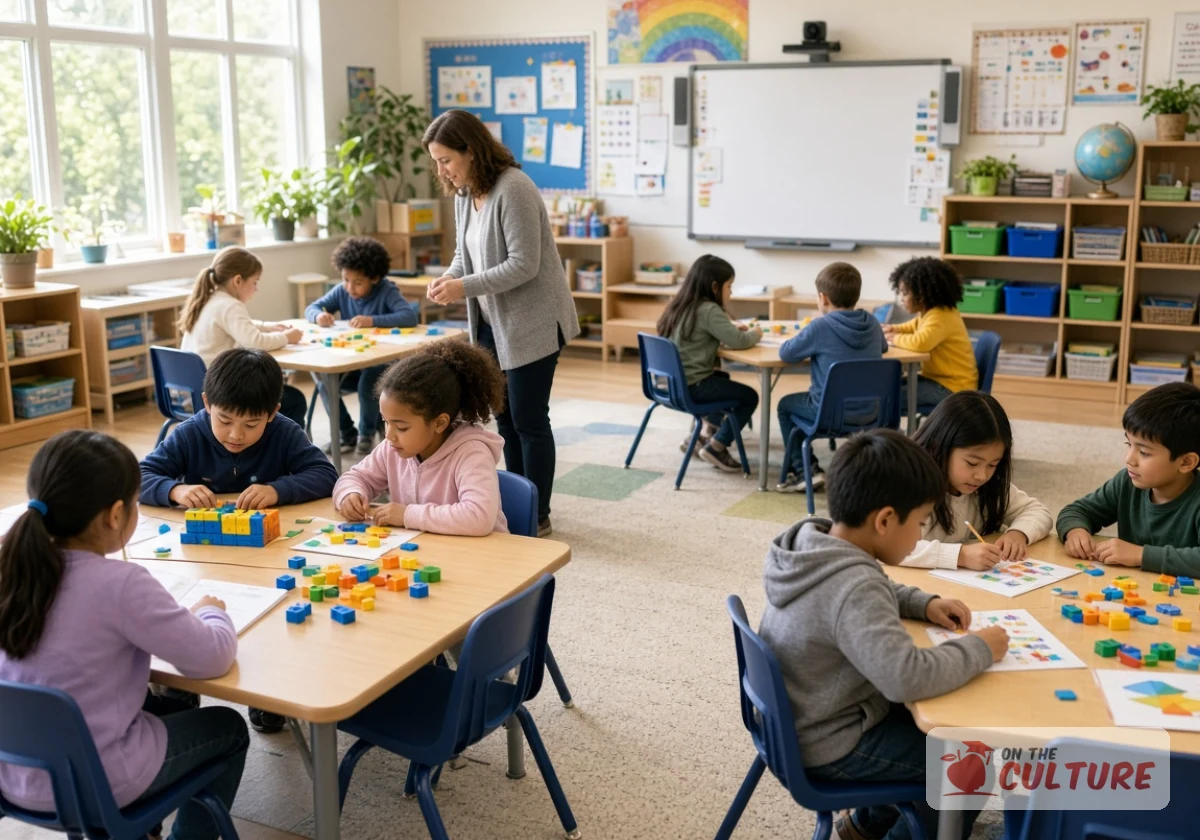

Bustling classroom during a lesson with five or six students

How Teachers Can Spot When Students Understand Instructions but Not the Task

Students can follow every instruction on a worksheet and still miss what the task was for. They fill in the boxes and hand it in on time, yet the work shows none of the thinking the lesson set out to build.

The problem is that completed work doesn’t always mean students have understood the lesson. At On the Culture, we think checking student understanding means finding out if students know why they’re doing a task, not simply how to finish it.

Below, you’ll find five diagnostic questions to ask before work begins, plus ways to read finished work and build quick checks into lessons. Let’s start with the difference itself.

Following Directions and Understanding the Task Are Two Different Kinds of Learning

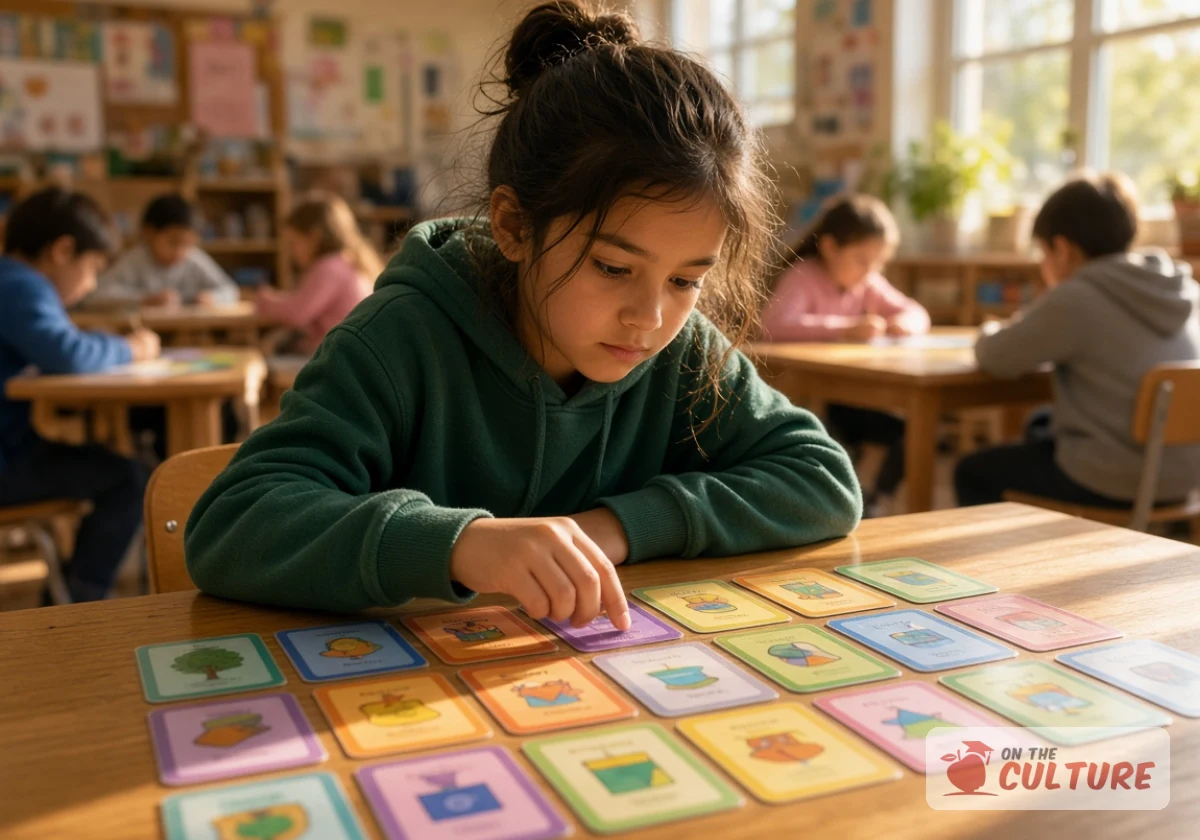
Seventh-grade student sitting at a classroom desk

Following directions is procedural learning. A student knows the steps, their order, and the expected format. But understanding the task goes further. In this case, the student also knows what those steps produce and why the teacher chose them. A student can be good at following instructions without fully understanding the lesson.

For instance, a seventh grader asked to “compare two sources” might build a neat Venn diagram listing facts from each one. Although the teacher wanted students to explain which source was more reliable, the student has listed the facts without making that judgment. You’ve probably seen this in your own classroom, where students complete the assignment but miss what you wanted them to learn.

This gap often starts with how the assignment is written. The University of Vermont’s Center for Teaching and Learning points teachers to transparent assignment design and its impacts, known as TILT. That approach states a task’s purpose, steps, and success criteria up front. The centre supports its use, and notes that “applying TILT principles improved student outcomes and deepened learning.”

So the fix begins before students pick up a pencil. Naming the purpose out loud gives you a clear standard to check against later (and gives students a target worth aiming for).

Which Diagnostic Questions Reveal Whether Students Grasp the Task Itself?

With that standard in place, the best diagnostic questions ask students to explain the goal, picture the finished work, and identify possible difficulties. Each takes a minute or two and gives you time to clear up confusion.

Here are five diagnostic questions for the classroom below.

“Why Are We Doing This?” Questions That Test Purpose Over Procedure

Ask, “What should you be able to do after this that you couldn’t do before?” Students who only know the procedure will often repeat the steps back to you.

If you hear “we’re filling in the chart,” ask what the chart is supposed to help them understand. Then have the student explain the goal in their own words. Their second answer should tell you if they’ve understood the purpose or still need help.

Asking Students to Predict What a Finished Answer Should Look Like

Knowing the purpose is one thing, but students also need to picture what they’re working towards. Tell them to describe or quickly sketch a strong final answer before they begin. Anyone who expects a list when you want an argument reveals that mismatch right away (and saves you a long evening of grading the wrong thing).

When several predictions miss, show one model answer. Talk through what makes it strong, and point out the evidence or reasoning students need to include in their own work.

What Would Change If One Detail Were Different?

Change one detail, like the audience or a starting number, and ask how the answer would differ. For example, if students are writing a letter to the principal, ask what they’d change if the audience were their classmates. Someone who understands the task should recognise that the language and supporting reasons need to suit the reader.

Learners working from a template usually freeze at this point. Questions like this also keep students curious, so practice them often rather than saving them for tests.

Explaining the Task to a Classmate in Their Own Words

Another way to check understanding is to have students explain the task to someone else. One teacher writing in Education Week’s 2026 piece on whether students really learn puts it simply: “When a student can explain a concept clearly to a peer, I know learning is taking root.”

Pair students up and tell each to explain what they need to do and why. As you listen, pay attention to students who repeat your instructions word for word but struggle to explain the goal.

If that happens, ask their partner to explain the task differently. Then check back with the first student to see if they can explain it without relying on the original wording.

Questions About the Hardest Part Before Anyone Starts

Even students who understand the goal won’t always know how to approach it. Maybe ask, “Which part of this will be hardest for you?” Their answers will help you see where they expect to struggle.

For instance, a student who names a thinking step, such as choosing the strongest evidence, has identified a specific challenge. But someone who mentions only length or neatness might be focused on the finished product instead.

Ask that second group what thinking the assignment requires. If they can’t explain it, spend five minutes revisiting the goal and working through one example before they begin.

Teacher and student in conversation at the teacher's desk

Compliance Versus Comprehension: Checking for Understanding in the Work Itself

The five questions help you check understanding before students begin, but their finished work gives you another chance to spot gaps. A completed worksheet doesn’t always show how much a student has understood. Look at how they organise their answers, choose evidence, and handle difficult parts of the task.

These three signals help you tell the difference:

SignalCompliance Looks LikeComprehension Looks LikeWhat To Do
StructureCopies the template exactlyAdapts the format to the goalAsk why they chose that shape
EvidenceLists facts without choosingPicks facts that support a claimModel one strong choice
ErrorsSame mistake repeated throughoutMistakes in new, harder spotsReteach the purpose first

Of the three, the errors row tells you the most. Repeated mistakes mean a student is running a procedure without checking it against any goal (which no amount of extra practice worksheets will ever fix).

On the other hand, mistakes in new spots are a good sign, since they show a student stretching their level of understanding.

Building Formative Assessment Techniques Into Everyday Teaching

After grading the work, the next step is making these checks part of everyday teaching so problems surface earlier.

For instance, formative assessment techniques are short activities teachers use during lessons to check what students understand and where they’re struggling. Unlike formal tests, they don’t produce a grade. Instead, teachers use the responses to decide whether to explain a concept again, change their approach, or move on to the next topic.

If you’re looking for a starting point, these everyday options take almost no prep:

  • Purpose Statement: Before independent work begins, have students write one sentence explaining what they expect to learn from the task. Their answers reveal whether they understand its purpose or are focused only on completing the instructions. If several students describe the activity rather than the learning goal, explain what the task is meant to teach.

  • Turn and Talk: Pair students for a 30-second explanation of the task in their own words. Listen for copied phrases from your instructions, especially when students struggle to explain what those instructions mean. Their conversations help you identify confusion that might stay hidden during whole-class discussions.

  • Exit Tickets: At the end of class, students write what the task was meant to teach and which part they found difficult. Sort the responses into groups based on what students understood and where they need more support. This will give you a clear starting point when planning the next lesson.

  • Hand Signals: A thumbs-up, sideways thumb, or thumbs-down lets students show how ready they feel to work independently. The different signals help you spot who understands the instructions, who needs clarification, and who needs individual support. Use the responses to decide whether the class is ready to move on.

  • Rubric Self-Check: This method helps students recognise gaps in their own work rather than relying entirely on your feedback. Once a week, students review one draft against the assignment rubric before submitting it. They identify one strength and one area that needs work, then explain their choices against the stated criteria.

Pick two of these and use them daily for a month. Keep whichever ones show you the most about student learning, and drop the rest without guilt.

Teacher's hand holding a red pen hovering over a stack

Start Asking About the Why, Not Just the What

Small changes to your classroom questions can reveal where students need more guidance. Just a short conversation during a lesson often gives you enough information to adjust your teaching.

So choose one diagnostic question from this guide and try it in your next lesson. Then compare what you hear against the finished work.

And if you need more ideas, On the Culture shares practical ideas for teachers who want sharper classroom checks. Get in touch with us to talk through your lessons and plan clearer, more purposeful tasks.


Portrait of a peaceful elementary school classroom in afternoon light

The First Five Minutes After Break: Helping Students Settle Back Into Learning

The first few minutes after lunch can disappear before the lesson even starts. One student needs water, two are still arguing about the playground, and the rest of the class is talking over you.

You can spend those minutes asking everyone to sit down and be quiet, or you can make the return from lunch predictable.

A predictable routine means students already know what happens next: they come in, settle, start a simple task, and get ready for the lesson. Rather than expecting everyone to switch from playground mode to learning mode at once, you give them a few small steps to follow.

Each step helps students settle a little more, making the transition back to learning easier for the whole class. Here’s a five-minute routine you can use from the moment students reach the classroom door.

Post Recess Classroom Routine

Post Recess Classroom Routine

A predictable classroom transition after lunch makes settling students after break easier. It also helps create a more positive learning environment by making the transition less chaotic and easier to manage. Follow these five steps to get your class settled and ready for the next lesson.

1. Meet Students at the Door

Before lunch ends, wait for students at the classroom door. Greet each one briefly as they come in, and pay attention to how they look and sound. If someone is upset, overexcited or still caught up in an argument from the playground, you can deal with that quietly before they reach their desk.

You don’t need to have a conversation with every student. A quick greeting is enough to acknowledge them and give you a chance to spot anyone who may need a little more help settling in

2. Use One Signal to Start

Once students are inside, use the same signal every day to let them know it’s time to settle and get ready for the lesson.

It could be a chime, a raised hand or a short countdown. The important part is that students know what the signal means.

If you find yourself saying “eyes up here” several times before anyone responds, the signal isn’t doing enough work. Give it once, then wait.

The silence may feel awkward at first. Resist filling it immediately. Students need a chance to respond to the cue rather than learning that they can wait for you to repeat it.

3. Put the First Task on Every Desk

I’ve found that students settle much faster when they have something to work on as soon as they sit down. Otherwise, even a short wait can turn into another round of playground conversations.

So before students return from lunch, place a short, familiar task on each desk or display it on the board. It should be something they can begin without asking what to do.

Two review questions, a quick sketch, a short reading task or a few vocabulary prompts can all work. The task doesn’t need to be difficult. It needs to give students something clear to do while you finish settling the room.

Keep the instructions visible on the board or desk, especially for younger students.

The goal is to remove the empty space between “sit down” and “the lesson starts.” That gives students a clear next step instead of leaving them waiting with nothing to do.

4. Give Them a Short Reset

Sometimes, students can still feel restless or distracted even after lunch has ended. They’ve just had a break from the classroom, and settling straight into another lesson can take a little time.

A short reset can help them shift their attention back to learning. For example, you could give them a minute to get water, stretch at their desks, or simply finish their opening task without conversation.

Just keep it short and consistent. A visible one- or two-minute timer helps students know how long they have before the lesson begins.

And once the timer runs out, bring everyone’s attention back to the lesson and continue with your planned activities.

5. Check the Room Before Starting New Content

Before jumping into the lesson, take a moment to see how everyone is doing. Are most students ready to listen? Has everyone settled down, or is someone still struggling to get back into the routine?

If one student is still upset, unusually quiet or struggling to settle, you can deal with that separately rather than stopping the whole class.

You can also give everyone another minute of quiet work if the room still feels unsettled. Once students are ready, move into the main lesson.

The routine doesn’t have to run to an exact five-minute stopwatch every day. Its value comes from the predictable sequence.

Female teacher in business casual standing by a classroom doorway

Classroom Refocusing Activities Students Can Do While They Settle

Once you’ve prepared a task for students, the next question is what to give them. Here are a few ideas you can rotate throughout the week:

  • Two-question Review: Write two questions from the previous lesson on the board for students to answer independently.
  • Quick Sketch: A simple drawing and a few labels connected to the morning’s learning can help students recall what they’ve covered.
  • Short Reading: Leave a familiar book or short passage ready for quiet reading.
  • Finish the Sentence: Display two or three sentence starters linked to the day’s topic for students to complete.
  • One-minute Reflection: Invite students to write one thing they remember from the previous lesson or one question they still have.
  • Vocabulary Match: Students match a few familiar terms with their definitions or examples.

You don’t have to come up with something new every day, either. Once students become familiar with a few activities, they’ll know what to do as soon as they sit down.

Settling the Student Who Returns Angry, Upset, or Overloaded

A predictable routine can settle most of the room while one student still needs help.

Maybe something happened during lunch. There was an argument with a friend, a disagreement during a game or simply too much noise and activity. Whatever the reason, that student might need a little more time and attention before they’re ready to join the lesson.

You can use these methods to help calm them down.

Give Them a Quiet Option

If your classroom has a suitable quiet space, let the student use it for a short period without presenting it as punishment.

A comfortable seat, a timer or a simple visual cue can help them understand that they have a little time and space to settle.

The important part is knowing when they will rejoin the lesson. A quiet space works better when it has a beginning and an end.

Talk After They’ve Settled

You don’t need to investigate the whole situation while the student is still upset.

Once they’ve had time to settle, speak privately. Give them a chance to explain what happened, and listen before deciding what needs to happen next.

If the incident involves another student, record the details and follow your school’s process for passing the issue to the appropriate staff member.

Give Them Something Useful to Do

Some students settle more easily when they have a small, purposeful job.

They might hand out books, collect materials or wipe the board before returning to their seat. Keep the job short enough that it doesn’t become an escape from the lesson.

And pay attention if the same student struggles after lunch repeatedly. Note when the problem starts, what tends to happen beforehand and whether particular situations or classmates are involved. These small steps can support your behavior management approach while giving individual students the attention they need.

Why the Routine Helps

Think about what students get from their break. They have time to move around, catch up with friends and take a break from classroom activities. Those opportunities are important, too.

In fact, the CDC’s guidance on recess explains how these breaks support more than physical activity. They can improve students’ memory, attention and concentration, help them stay on task and reduce disruptive classroom behaviour.

So, when students return, give them a little time to settle before moving into the next lesson. A familiar sequence makes this easier because they already know what to do. They come in, respond to your signal, work on their opening task and get ready for the lesson.

It might take a few reminders at first, but students will gradually become familiar with the routine. Eventually, you won’t have to explain every step or repeat the same instructions each afternoon. That leaves you with more time to focus on teaching.

First-grade classroom at mid-morning

Make the First Five Minutes the Easiest Part of Your Afternoon

You don’t need a complicated behaviour system to improve the return from lunch.

Start with three things: meet students at the door, use the same signal every day and have a simple task waiting on their desks.

Once those habits are familiar, add the short reset and a quick check of the room.

The aim is to stop the first five minutes from becoming a daily battle over where students should be and what they should be doing.

Want more tips like this? Visit On the Culture.

Comparing UK State Schools with Private Schools: What Should New Teachers Know?

New teachers face different working conditions in UK state and private schools. State schools generally follow established pay scales and have larger classes, while private schools often offer smaller classes but longer working days. Your choice also affects your induction, pension, and workload.

These differences aren’t always clear in job adverts, especially when schools describe similar roles with different expectations. That’s why we’ve put together this guide to help you understand your options before accepting a contract.

We’ll compare UK state schools vs private schools on pay, workload, curriculum, and training. Keep your job adverts open beside you as you read.

Pay and Pensions: How UK State and Private Schools Reward New Teachers

Young teacher seated at a school office desk in morning sunlight

Because each private school writes its own pay policy, two offers in the same town can differ on salary, pay rises, and extra duties. So before you compare offers, ask each school for its written policy, not just the advertised figure. Use the table below to line up five points to check in any offer letter.

PointUK State SchoolsUK Private Schools
Starting salaryFixed by the national main pay range, with higher bands in LondonSet by each school, sometimes matched to the state scale and sometimes above or below it
Pay progressionYearly steps up the main pay range, linked to appraisalDecided by the school’s own pay policy, which may have no fixed steps
Pension schemeTeachers’ Pension Scheme; a defined benefit plan with a large employer contributionTeachers’ Pension Scheme in some schools, a smaller defined contribution plan in others
Contract typeNational terms on hours, sick pay and notice periodsIndividual contracts that can add Saturday and boarding duties
Extra benefitsFew perks beyond salary and pensionPossible housing, free meals and fee discounts for staff children

The pension generally decides more offers than the salary, because a defined benefit pension pays a guaranteed retirement income based on your earnings. So when a private school pays more but has left the Teachers’ Pension Scheme, ask what its new plan pays in before you compare totals (the pension gap can easily outweigh a higher starting salary).

Why Does Teacher Workload Look So Different in the UK Education System?

Secondary school teacher sitting alone at a desk

Teacher workload differs a lot because UK state schools pack hours into marking and data. Meanwhile, private schools spread them across longer days, Saturdays and co-curricular duties. In fact, a 2024 survey by Private Education Policy Forum (PEPF) tracks teacher workload UK-wide. It found that 60% of staff in UK state schools reported unmanageable workloads, against 37% in top private schools.

However, these figures reflect staff perceptions of workload rather than the total hours they work. Three factors explain where those hours go in each setting.

Class Sizes and Marking Loads in Each Setting

Class size affects marking loads because every extra pupil adds another book to check. Classrooms in UK state schools are often full to capacity, while private schools commonly keep groups of 15 or fewer.

On top of marking, UK state schools ask for regular data entry on pupil progress. You’ll feel this most in the weeks before reports go home (the extra work can stretch well into your evenings).

Before accepting a role, ask the school how often it collects assessment data and how much marking teachers must complete each week. Whichever setting you pick, some time management strategies can help you batch marking into set slots.

What Boarding Duties and Saturday Lessons Add in Private Schools

Boarding duties and Saturday lessons add whole working sessions that never appear on a UK state schools timetable. A boarding duty can mean supervising evening prep, lights out and an overnight on-call shift.

Along with that, Saturday mornings often bring lessons and then afternoon sports fixtures. Thankfully, some private schools pay extra for these. Others simply write them into the contract without any extra remuneration. In our experience reading teaching job adverts, this detail rarely makes the headline description.

The good news is, most UK state schools keep weekends free in their contracts, although after-school clubs and parents’ evenings still add hours.

So we suggest: before signing, ask how many boarding nights and Saturdays each term includes, and get the answer in writing.

Do Longer Holidays Balance the Pressure of the Academic Year?

Those extra evenings and Saturdays raise another question about time off. Many private schools have shorter terms and longer holidays than UK state schools, which generally follow a 190-day teaching year. Even so, the first week off can disappear into sleep and catch-up marking if the pressure is high.

For a fair way to compare schools, weigh the number of extra holiday days with the hours you’d spend on overtime work. For example, two extra weeks off may seem generous, but weekly Saturday duties could mean working many additional days each year.

Weighing Training, Career Progression and Social Support

Teacher in professional attire standing in a modern school corridor

Beyond the classroom itself, many new teachers never ask whether their first school can legally complete their induction year. Across the career guides we write, we often see this is one question overlooked.

In England, statutory induction lasts two school years, and schools must meet specific requirements to provide it. Below are five support areas to check before you accept an offer:

  1. Statutory Induction and QTS: Every UK state school can register you for statutory induction, which you need after gaining Qualified Teacher Status (QTS). Private schools can offer induction too, but only through an approved appropriate body such as the Independent Schools Teacher Induction Panel. So ask any private school whether it holds that registration before you sign.
  2. Early Career Framework Mentoring: At interview, find out who your mentor will be and when your meetings will take place. A reduced teaching timetable and structured mentoring give early career teachers time to develop their skills. State schools in England provide these during statutory induction, and private schools offering induction must meet the same statutory requirements.
  3. Promotion and Responsibility Pay: Through Teaching and Learning Responsibility payments, UK state schools attach set extra pay to roles like head of year or subject lead. Private schools also create their own titles and allowances, which can move you up faster on a small staff. Check whether the school publishes its pay policy for these posts.
  4. Moving Between Sectors Later: Your QTS remains valid if you move between state and private schools in England. The complication arises when you haven’t completed statutory induction. Not to mention, certain state school posts have restrictions on how long you can teach without completing it. Finishing induction early helps prevent those restrictions from affecting a future move.
  5. Pastoral and SEN Teams: A pupil needs additional learning support, but the person responsible for arranging it may vary by school. State schools must appoint a special educational needs coordinator (SENCO), and both sectors have safeguarding and SEN duties. In this case, smaller schools may divide pastoral responsibilities differently, so find out who handles pupil support and safeguarding concerns.

Confirm the school’s statutory induction arrangements before considering its other career benefits. Once you know you can complete induction there, move on to mentoring, promotion opportunities, and support available for daily teaching responsibilities.

Where Your First Teaching Job Fits Best

Your first teaching job should offer a balance of pay, workload, and career support that suits your needs. Before accepting an offer, consider how each school’s working conditions will affect your induction and daily routine.

Pick UK state schools if you want a guaranteed induction, the Teachers’ Pension Scheme, and a national pay scale from day one. By contrast, private schools may appeal if you prefer smaller classes and longer holidays, although some require boarding duties and Saturday lessons. Either way, check the individual contract before deciding.

On the Culture publishes career advice for teachers at every stage. Send us your questions and help us choose a topic for our next guide.

A teacher distributing early finisher activities

How to Teach Students Who Finish Their Work Before Everyone Else

Plan extension tasks for students who finish their work early. This gives them a chance to build on what they’ve learned instead of sitting idle. Without a plan, those minutes drift toward chatter, wandering, or a second copy of the page they just finished.

That drift hits hardest mid-lesson, while you’re still helping the rest of the class. At On the Culture, we share practical classroom habits that make teaching days calmer and help students stay engaged.

To help you plan ahead, this guide explains why more worksheets backfire and which early finisher activities deserve a spot in your bin. You’ll also learn how to build a routine students can follow independently, with a quick reply chart for when someone says, “I’m done.”

Let’s get into it.

Why Do Early Finishers Need Differentiated Classroom Activities Instead of More Worksheets?

A student working on repeated worksheets

Students who finish ahead of their classmates need differentiated classroom activities because repeated worksheets teach nothing new and invite off-task behavior. A student who solves 20 fraction problems correctly has already shown mastery. Another 20 problems only teach them that finishing early means extra work.

Over time, quick workers start slowing down on purpose, because dragging out a task feels safer than getting another page. You’ve probably noticed this pattern in your own classroom.

Differentiated classroom activities address this problem by changing the kind of thinking rather than the amount of work. For example, a strong extension asks the student to apply the same skill in a new setting or spot an error in a worked example. These activities build critical thinking, let students work at their own level, and suit a wider range of learning styles.

Planned activities also help with classroom management. If you’ve ever had three kids line up at your desk mid-lesson, you know how quickly small group practice falls apart. Those interruptions become less frequent once students know exactly what to do next.

Extension Tasks for Students: Early Finisher Activities Worth the Extra Minutes

An early finisher practicing a card activity

Many early finisher bins fail for one reason: the activities inside don’t challenge students after they’ve completed the lesson. As a result, a bin full of easy filler tells your strongest learners that finishing first earns a break from thinking. Instead, strong extension activities should provide meaningful practice that builds on what students have already learned.

With that in mind, the following activities offer practical ways to challenge students without repeating the lesson.

Task Cards That Push One Step Past the Lesson

Learning cards work best when each card adds one twist to the day’s skill. For instance, after a lesson on area, a card might ask for the area of an L-shaped room.

Since each card takes only a few minutes to complete, students can work through one independently. You can also swap out the sets weekly to keep math practice tied to the current unit.

To keep things organised, label each set by unit and keep the answer key beside it. Students can then check their own work, so you only need to step in when they make errors.

Writing Prompts That Ask for an Argument, Not a Paragraph

A prompt stretches thinking when it demands a position and reasons. Something like “Should our school start an hour later?” asks for a claim, two pieces of evidence, and a counterpoint.

That structure mirrors the argument writing kids practise in upper elementary and middle school ELA. The same skills carry into science, social studies, and other literacy activities throughout the week.

For independent practice, post a short checklist beside the prompts. Writers can score their own response before handing it in (even reluctant writers seem to enjoy checking off boxes).

Math Puzzles and Logic Challenges Students Can Check Themselves

Logic grids are one task students love, because each puzzle has a clear answer. KenKen grids, magic squares, and number pattern riddles all reward persistence over speed.

Self-checking is especially useful here, since you can’t pause a lesson to grade every puzzle. An answer envelope taped inside the folder lets students check their answers without your help.

With that in mind, pick math activities with clear answers students can check themselves. Math games on laminated game boards fit the same rule when each round ends in one clear answer. Save open-ended problems for lessons where you can guide students through their reasoning.

Ongoing Choice Projects That Live in a Folder

Choice projects give early finishers something to return to across several days. One student might research an animal, while another draws a comic about a historical event or designs one of the class board games around a current unit.

Keeping each project in a labelled folder helps students pick up where they left off. It also encourages them to work independently and take pride in what they create.

For the best results, offer three or four projects tied to current units. A quick folder check every Friday can help you see how each student is progressing and where they need extra support as well.

Vocabulary Cards That Replace Coloring Sheets and Word Searches

Vocabulary cards give early finishers a chance to apply what they’ve learned. Coloring sheets and word searches serve a different purpose, with hidden-word puzzles focusing mainly on letter scanning.

Some younger kids still need practice with fine motor skills, and a coloring page can help with that. Even so, those activities fit better in a separate center than in your extension bin.

A good vocabulary card asks students to use a word in a sentence or sketch its meaning. Students still get a quiet early finisher activity that helps them apply what they’ve learned.

Building a Fast Finishers Routine That Keeps Students on Task Without You

Among fast finishers classroom strategies, a clear routine earns its keep because students stop asking you what to do next. With the bin stocked, kids need to know how to use it independently.

Many teachers post a “When I’m Done” chart on a bulletin board near the work area, listing the order of choices students follow. Teach that chart in the first week of school, then practice it twice before you rely on it during a real lesson.

Once students know the steps, they also need easy access to the materials. A bin at the front pulls traffic past working classmates, so an early finisher station on a back shelf works better. Ideally, place it beside the math centers or literacy centers you already run.

Sharing that space means one set of storage rules for the whole room. If your planning time already feels thin, our time management strategies for teachers offer practical ways to make room for classroom preparation.

With the chart taught and materials in place, five parts of the routine still need your attention:

  1. Posted Chart: Shows the order of choices, so no one needs to ask what comes first. A simple “Check Work → Choose a Task → Get Started” sequence gives students clear instructions. Post it at student eye level so they can refer to it without interrupting you.
  2. Self-Check Step: Before choosing an extension task, students review their completed work for missing answers and careless mistakes. A short checklist beside the chart gives them something to follow. Have students correct any errors before moving on.
  3. Labeled Bin or Folder: Keeps activities sorted by subject and skill level. Separate math, reading, and writing folders make finding the right task easier. Students should know which folder to choose without asking for help.
  4. Volume Rule: Sets clear expectations for noise, including which quiet brain breaks are allowed. Students need to know when whispering is acceptable and when silence is expected. Practice both situations so they understand the rule before working independently.
  5. Friday Review: This sets aside time each week to check folders and refresh activities. Some tasks may need replacing, while unfinished projects can stay for another week. A quick look at student progress helps you decide what to prepare next.

The self-check step deserves the most care, because it stops students from rushing through their work. Once the routine becomes familiar, students should need fewer reminders and interruptions at your desk should become less frequent.

How Should Teachers Reply When a Student Says “I’m Done”?

Teacher checking a student's work

When a student says “I’m done,” start with a quick quality check before directing them to a specific extension task. This helps catch rushed work before it becomes a habit.

A consistent response also helps students learn what to do next without repeated instructions. The table below gives you short replies for common situations, each taking only a few seconds.

What You SeeWhat to SayWhy It Works
Rushed, messy work“Show me your two strongest answers.”The student rereads and fixes errors before moving on
Accurate, complete work“Grab a task card from the blue bin.”The student starts a stretch task right away
A finished choice project“Add one new section to your folder.”The student goes deeper with no extra prep from you
A student who wants to help peers“Check with me first, then help one table.”You keep peer help from turning into answer-giving

These short replies also help students understand what you expect before they move on. With a consistent quality check, they’re less likely to rush through assignments just to reach the activity bin.

Plan for Your Early Finishers Before the First Hand Goes Up

Early finishers need extension tasks you’ve planned in advance, so their spare minutes support learning instead of becoming busywork. The bin, the routine, and the reply chart help students work independently while you focus on the rest of the class.

You don’t need to prepare every activity at once. Start this week with one subject and five activity cards that build on your current unit. Once students know the routine, add writing prompts and a choice project to give them further options.

As your early finisher routine develops, you may want to try other ways to keep students engaged. Contact On the Culture for practical teaching ideas you can use in your classroom next week.

students afraid to ask questions

Why Students Stop Asking Questions in Class and How Teachers Can Respond

Students stop asking questions in class when looking confused feels riskier than staying confused. Teachers can reverse that by making questions safe, expected, and rewarded. And the change starts with classroom habits rather than a student’s personality.

To be honest, the quiet kid in the third row usually isn’t lost in a daydream. At On the Culture, we write for teachers who notice students hiding their confusion in class. Some stay silent until a test reveals how much they’ve missed.

This guide covers the five pressures behind that silence, what it costs a student over time, and the norms and first-week routines that bring questions back. Read on to find the one your class needs first.

Why Students Fear Asking Questions in Class

Middle school student at a wooden desk in a sunlit classroom

Quiet students aren’t always bored. Many weigh the need to ask a question against the fear of negative judgment from classmates and teachers. The five factors below explain why some students choose silence, even when they need help.

Peer Perception: Why Students Feel Watched Every Time They Raise a Hand

Classmates do notice who raises a hand, so peer perception influences a student’s decision to ask questions. For many students, asking feels like admitting they don’t know something. The fear of appearing less capable than their peers often grows during middle and high school.

Those students start to treat asking for help as a sign of weakness (even when half the room is wondering the same thing). You should offer a sticky-note question box or a quick private check-in so students can ask questions without an audience.

How a Teacher’s Reaction to One Wrong Answer Sets the Tone for the Year

In the seconds after a wrong answer, the role of the teacher shows most clearly, because that reaction tells the whole class what asking costs. A sigh, a smirk, or “we covered this yesterday” reaches every student watching. Some students decide the risk isn’t worth it and hesitate to speak up again.

If you ask any veteran teacher, you’ll hear how one sharp comment in September can discourage students well into spring. The teacher’s authority adds to that fear, since the same adult also hands out grades.

So, to avoid discouraging students, treat every wrong answer as useful information. Try “Good, that shows me where my explanation broke down,” and then reteach the step.

Classroom Questioning Anxiety and the Missing Time to Formulate a Question

Classroom questioning anxiety is the fear students feel when asking questions in front of others. It makes thinking and speaking difficult, especially when students worry about saying something wrong.

Anxiety can affect other parts of learning, too. Education Week reported in 2025 that experts estimate math anxiety affects 20% to 30% of students. Most teachers also recognize math anxiety as a legitimate problem.

For students who already feel anxious, fast lessons create another challenge. They have little time to formulate a question before the class moves on. By the time a student finds the words, the moment has passed (and by then you’re already halfway through slide nine).

Giving students a brief pause after each new concept helps prevent this problem. During that pause, each student can write down one question to refer to when speaking.

What Home and Cultural Influences Teach Children About Speaking Up

Home and cultural influences teach some children that questioning an adult is rude. They may see raising a hand as disrespectful, even when they need help understanding a lesson.

Children learning English as a second language face a different barrier. They may need extra time to find the right words before asking a question. In both situations, students may hesitate to speak up even when they know what confuses them.

That’s why teachers should make it clear that asking questions is a normal part of classroom learning. Share that norm with families too, because strong parent-teacher communication helps parents back up questions at home.

How Curiosity Fades Once Reluctance to Ask Questions Becomes a Habit

Sometimes, students grow so comfortable staying silent that asking questions no longer feels natural. Each time they choose silence, the habit grows stronger. Over time, they become passive listeners who copy notes without thinking about what they’re learning.

You’ll recognize these students by their usual response of “I’m fine” during classroom check-ins. Even when they don’t understand something, they hesitate to admit it or ask for help.

Teachers can rebuild the habit by rewarding curiosity, even when a question drifts off topic. A simple “I’m glad you asked” acknowledges the student’s effort before you address the question. This positive reinforcement encourages students to keep asking.

What Does Classroom Silence Cost Students Over Time?

High school student slouched at a desk covered with papers

That fading curiosity rarely stays inside one lesson. When students avoid asking questions, small gaps in understanding grow and affect their critical thinking, confidence, and grades.

Problems often start with one unclear step in a math lesson or one unfamiliar vocabulary word. Each new lesson may build on what students missed. For example, a student who struggles with fractions may later find ratios and algebra difficult.

Critical thinking can suffer, too, because asking thoughtful questions helps students test new ideas against what they already know. Without regular practice, some students focus on memorizing answers rather than understanding why they work.

Confidence also suffers when students believe they’re the only ones confused (a quick show of hands might prove otherwise). That belief makes them less willing to ask questions in other subjects and take part in class discussions.

And the effects continue outside school. Students who grow used to staying silent might hesitate to ask questions in college or at work, even when they need help.

Building a Classroom Environment Where Students Ask Questions Without Fear

The effects of classroom silence give teachers a reason to address it early. A classroom where students feel comfortable asking questions encourages participation, including among those who usually stay quiet.

However, trust takes time to build. Students notice how teachers respond to questions throughout the school year. What you do in week six carries more weight than what you promise on day one.

From what we cover for teachers at On the Culture, the norms that stick are the ones built into a daily routine. If you’ve ever watched a shy student’s hand go up for the first time in October, you know how encouraging that moment feels.

Each norm below makes encouraging questions in class a daily habit instead of a one-time speech:

  • Thank every student who asks before you answer the question.
  • Say “I don’t know, let’s find out” when you don’t know.
  • Ban laughing at questions, and enforce it every single time.
  • Keep a shared question board so students can post questions without raising a hand.
  • Ask “What questions are still on your mind?” as a normal check after each concept.

You should pick the two norms your class needs most, since a short list is easier to enforce than five rules at once. Post them where every student can see them, and point to them the moment someone hesitates.

Teacher Support Strategies: Encouraging Questions in Class From the First Week

Teenage student sitting in the back row of a classroom during a lesson

Once those norms are posted, teachers still need concrete routines that make asking a question the normal move instead of the brave one. These student participation strategies also help naturally quiet kids become comfortable asking questions.

  • Think-Pair-Ask: Partners first talk through a confusion together, then one of them asks it aloud. And since both students share the question, neither has to speak for themselves alone. You can try this method after each new concept for the first two weeks.
  • Anonymous Exit Tickets: Before leaving, each student writes one question on a card without a name. You then open the next lesson by answering the three most common ones. Keep the cards to identify concepts students repeatedly struggle with.
  • Planned Wait Time: Silently count to five after asking “What questions do you have?” Most students need those seconds to find the words. If nobody speaks, ask “What might a classmate find confusing here?” instead. This approach lets students raise questions without admitting they’re confused themselves.

Start with one routine and use it daily for two weeks before introducing another. Consistent routines help students overcome their fear of asking questions and build confidence in speaking up. If you abandon a strategy after three days, they’ll hesitate to participate when you introduce it again.

Your Next Lesson: Make Questions the Safest Thing a Student Can Do

Now you know why some students hesitate to ask questions and how classroom routines can help. A learning environment where questions feel safe and welcome encourages students to speak up, even when they’re confused.

Start with one strategy from this guide, such as a question box or five seconds of wait time. Try it this week and notice which students begin participating. Give the routine time to work before introducing another.

Every student deserves to feel comfortable asking for help. Contact On the Culture for more practical guidance on teaching, student engagement, and classroom culture.