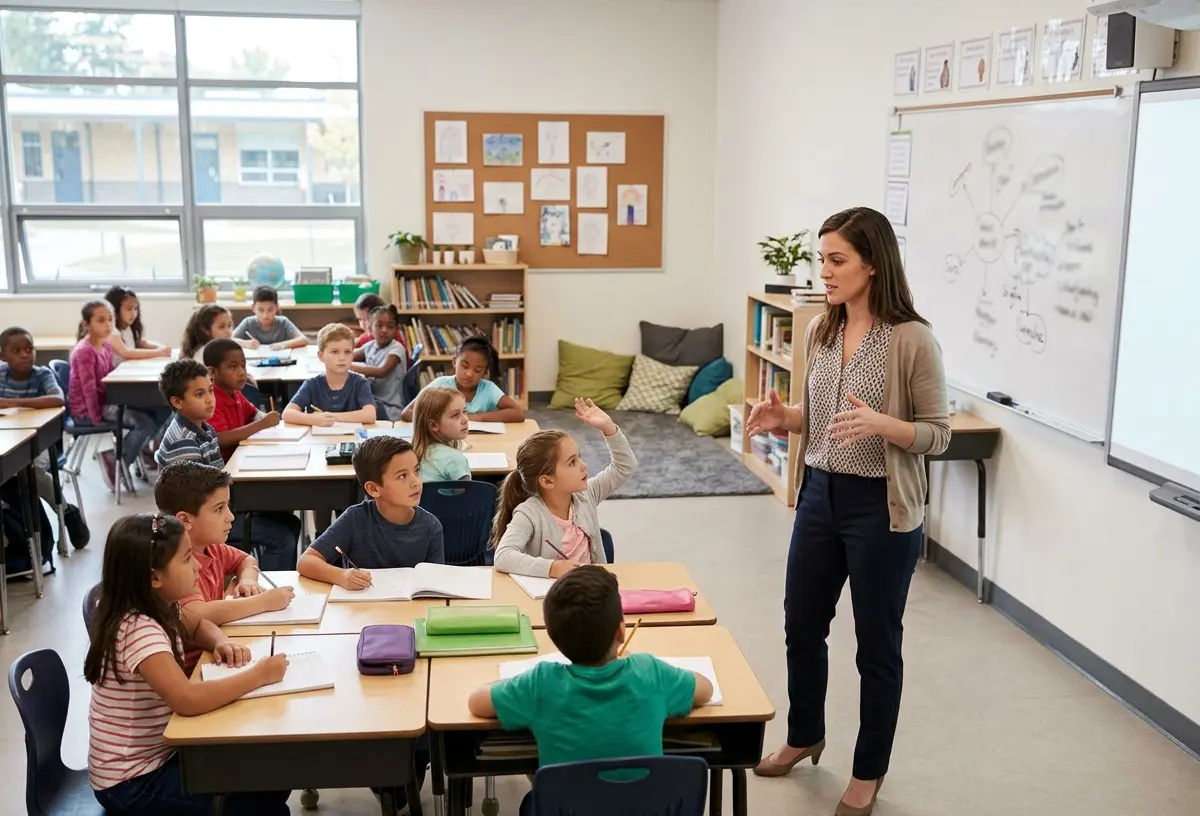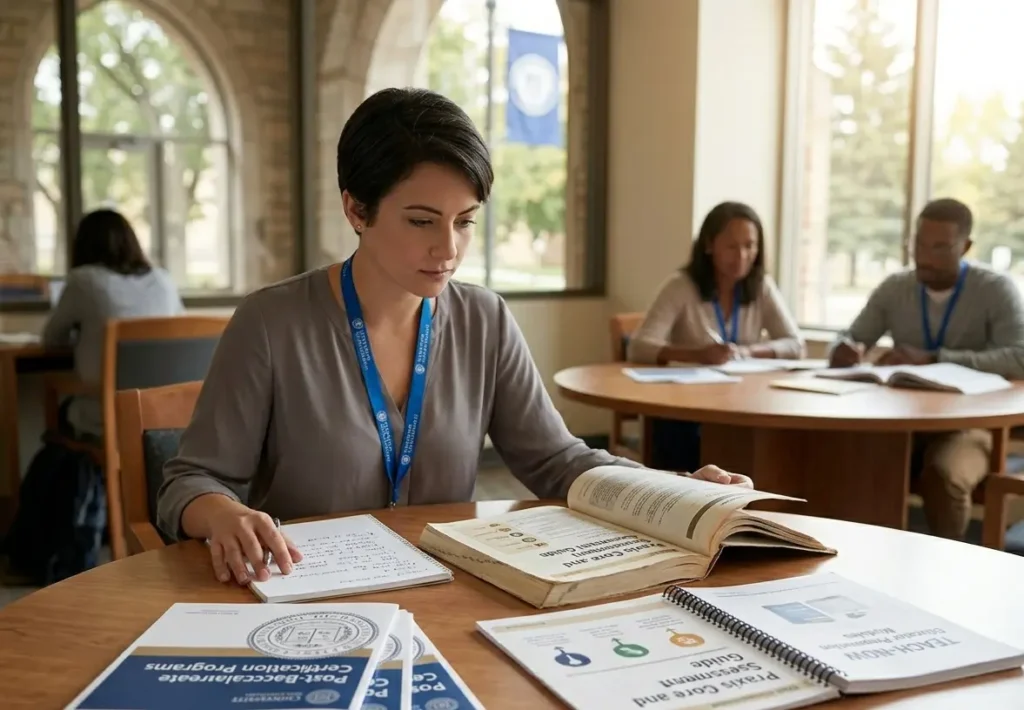

Most new teachers walk into their first classroom full of energy, ideas, and a desire to connect with their students. However, the first year of teaching has a way of testing that enthusiasm in ways that no education program fully prepares you for.
Student teaching gives you a preview, but standing alone in front of a class is a different experience entirely. New teachers must also juggle planning, administration, communication, and other daily responsibilities.
This guide is for first-year teachers who want an honest look at what is coming. The goal is to make sure you walk in with your eyes open, so the hard parts don’t catch you completely unprepared.
First-Year Teacher Challenges Nobody Warns You About
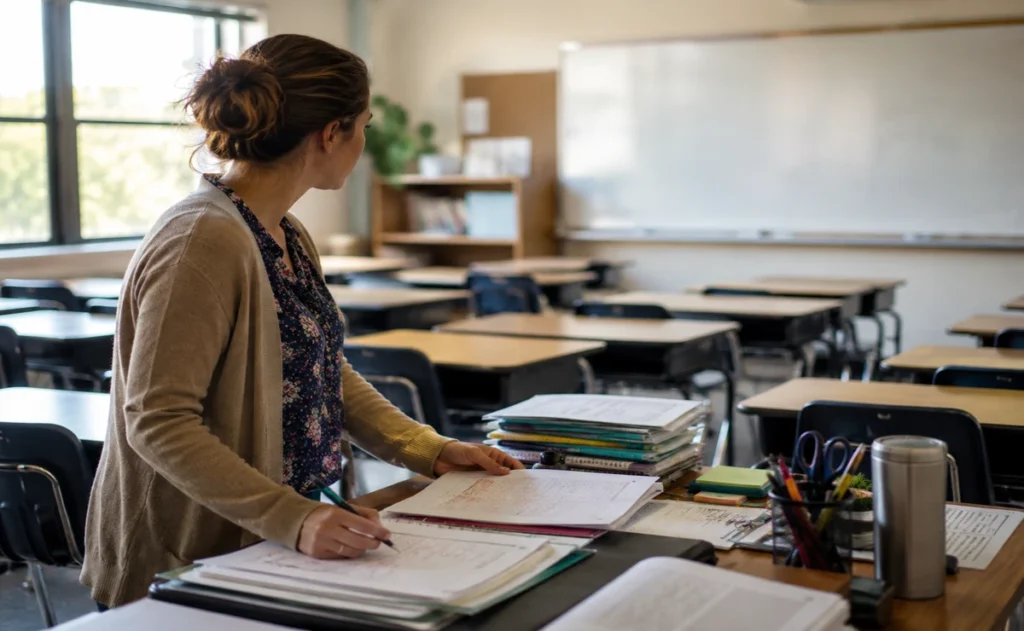
Most education programs teach you how to write a lesson plan. But very few prepare you for what happens when everything else falls apart.
In fact, research on new educators has found that many leave the profession within their first three years. Time management, emotional demands, and high expectations overwhelm many of them within the first few months.
Here’s what it looks like on the go.
When the Lesson Plan Falls Apart
Learning how to recover mid-lesson is one of the most valuable skills a first-year teacher can develop.
Even well-prepared lesson plans can collapse. Students disengage, misunderstand the material, or take a discussion somewhere unexpected. Suddenly, the plan you spent two hours building stops working.
Most new teachers panic in that moment. But experienced teachers treat it as a normal part of the job. Those who handle it well pause, read the room, and adjust instead of forcing the plan through.
The Paperwork Nobody Prepared You For
No one hands you a manual for administrative work on your first day, yet those responsibilities quickly become part of the job. Building teacher readiness early can make these daily tasks far more manageable.
Grading papers, taking attendance, managing Individualized Education Programs (IEPs), and keeping up with parent communication can be hard to manage. A single school day often creates more follow-up work than you can realistically complete. Most teacher prep programs spend little time on this, and many first-year teachers hit week three wondering where their evenings went.
Building a simple system early helps in this case. For instance, a basic folder structure, a consistent weekly time to grade papers, and a running log of parent phone numbers go a long way. Colleagues who have been around a few years are often your best resource here, so ask them how they stay on top of it.
Classroom Management Tips That Hold Up

Strong classroom management comes down to consistency, clear boundaries, and daily habits students can count on. It sounds simple, but getting it right in the first year is a different story entirely.
Research on teacher preparedness found that only 28% of novice teachers felt well prepared for classroom management. It is one of the most common challenges faced during the first year of teaching.
Weak classroom management is the number one reason new teachers leave the job early. Students pick up on whether a teacher follows through, and once they sense flexibility, disruptive behavior spreads quickly through the class.
A few small acts can help to change things around. For instance, greeting students at the door sets a positive tone before the lesson begins. Addressing disruptive behavior calmly and immediately, rather than allowing it to build, also helps maintain focus in the classroom.
Over time, new teachers discover that relationships are at the heart of effective learning. Kids are far less likely to act out when they feel seen by their teacher. Learning names fast, noticing when a student seems off, and following up on student work all send the right message to your classroom.
How New Teachers Can Set Clear Expectations Early
Setting clear expectations in the first week saves hours of redirecting behavior for the rest of the school year. Most new teachers underestimate just how much that first week sets the tone for everything that follows.
In the opening weeks, students naturally test boundaries as they figure out who you are and what limits exist. Clear expectations from day one give them a structure to work within and reduce behavioral issues as the term progresses.
Posting classroom norms visibly on the wall helps reinforce those expectations every day. When a student pushes back, you can refer to the agreed-upon rules instead of turning it into a confrontation. This also encourages students to take responsibility for their behaviour.
Quick Tip: Set clear expectations early, revisit them often, and follow through every time.
High School vs. Earlier Grades: New Challenges, Different Game
The grade level you teach forms almost everything about your daily experience as a first-year teacher. Believe it or not, high school and elementary school are entirely different worlds.
Let’s have a quick breakdown of what changes across grade levels:
|
|
High School |
Elementary |
|---|---|---|
|
Main Challenge |
Resistance and apathy |
Short attention spans |
|
Student Needs |
Independence, relevance |
Emotional support, structure |
|
Classroom Teaching |
Content-driven lessons |
Relationship-driven learning |
|
Discipline Style |
Logical consequences |
Consistent redirection |
|
Teacher Focus |
Subject mastery |
Patience and nurturing |
In most cases, engagement among older students is rarely automatic. Teachers often need to combine subject expertise with strong communication and classroom presence to secure acceptance. They respond to teachers who treat them like adults and connect the material to something in their lives.
On the other hand, elementary students need more emotional support and a steadier, warmer presence throughout the school day. Other students in the room pick up on the energy quickly, so classroom tone matters at every moment.
What Gets Better After the First Day (And What Doesn’t)
Some of the issues improve quickly after the first day, while others stick around longer. As familiarity grows, those early nerves usually begin to fade. By the end of the first week, the anxiety of walking into a room full of students fades into something more manageable.
Building relationships with students also comes naturally over time. Trust builds gradually, and by mid-year, most teachers feel a connection with their class.
And honestly, mistakes are part of the process. Every first-year teacher makes them, and reflecting honestly on what went wrong is how growth happens in this course of a school year.
At the same time, the workload does not disappear. Grading papers, preparing lessons, and keeping up with parents stay heavy for months. Most new teachers hope the volume eases up after the first day, but it follows you well into the year.
New Teacher Tips From the People Who Survived Year One
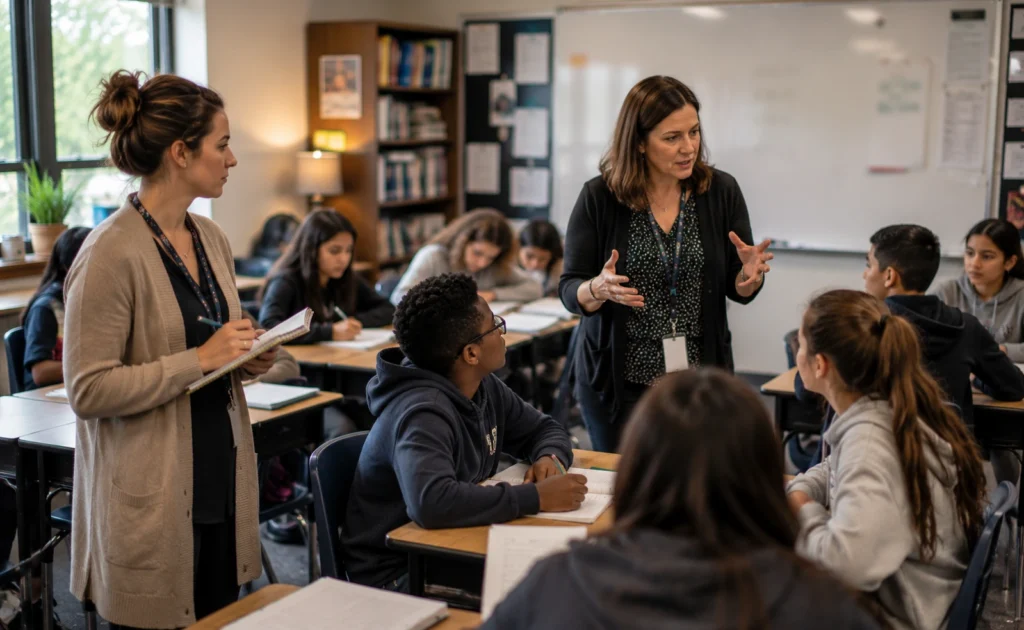
The advice that truly helps comes from teachers who have already lived through the same first year you are in now. Formal training, a graduate degree, has its place, but some of the most valuable lessons come from other teachers who figured it out the hard way.
Even veteran teachers consistently say asking for help early is the single best decision a first-year teacher can make. Observing colleagues in action teaches more than most professional development sessions will.
Step by step, small achievements build confidence, and recognising progress helps you stay grounded through the hardest parts of the school year.
Follow these daily habits that make year one more sustainable:
Building Routines Without Burning Out
Work-life balance is not something most new teachers think about at the start of the year. Planning your schedule early helps manage it, because the school day does not end when students leave.
A good starting point is to spend the first week building a schedule you can stick to. Plus, decide which nights you work from home and which ones you protect for yourself. Saving even two evenings a week can help you focus and save energy in the classroom.
Asking for Help Without Feeling Like a Failure
Ask for help to close the gap between where you are and where you want to be as a teacher. Start with your mentor if you have one. Colleagues down the hall, friends who teach at other schools, and department heads are all solid sources of support.
Many new teachers stay silent out of fear of looking incompetent to colleagues. That silence makes the first year harder than it needs to be. Because most teachers remember their own first year clearly, and they are far more willing to support you.
So, without hesitating, set up regular check-ins with someone you trust and treat your school as a community.
You Made It Through Year One: Here’s What Comes Next
The first year of teaching is hard. It tests your patience, your energy, and your confidence. But each challenge you face helps you build the skills and confidence needed for a successful teaching career.
Here’s what helps most moving forward:
- Set clear expectations early
- Build relationships with your students
- Protect your personal time
- Ask for help before things get out of hand
Those four things will put you ahead of most new teachers walking in on day one.
Head over to On The Culture for more teaching career advice, classroom strategies, and honest guidance for educators at every stage. Year one is just the beginning.