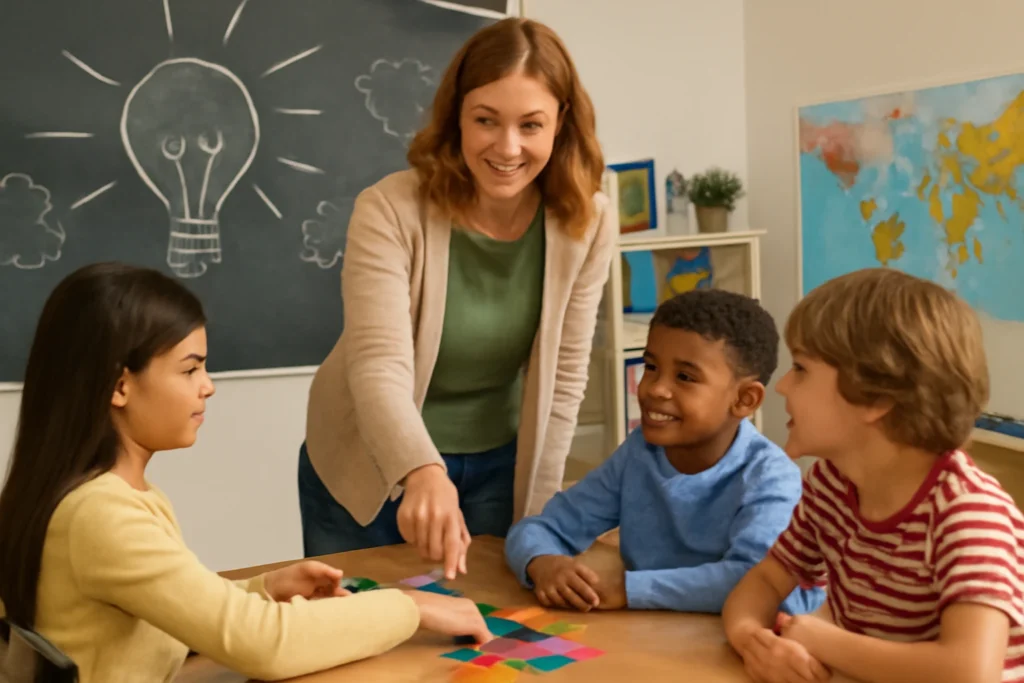
Student focus isn’t about overhauling your lesson plans. Most teachers don’t have time for that anyway.
The truth is, small adjustments make the biggest difference. A two-minute routine here, a silent hand signal there, and suddenly you’re teaching engaged students instead of wandering minds.
I’m Bill Jason, and I’ve spent over 20 years as a teacher figuring out what actually works.
These six teaching strategies require no special training and work tomorrow. They’re tweaks that stick because they’re simple:
Two-minute paper routines that settle chaotic energy
The 10-2 rule for resetting attention spans
Visual timers that make time concrete
30-second brain dumps before hard concepts
Silent hand signals that reclaim attention
Breaking big tasks into three chunks
Let’s start with the easiest one.
Start Every Class With Two Minutes of Paper Time
You know that chaotic energy when students first walk in? Backpacks dropping, conversations finishing, minds still in the hallway. Instead of fighting it, channel it. Give them two minutes to write anything on paper: yesterday’s lesson summary, burning questions, or even doodles that connect to your subject.
Moving a pen across paper does something typing can’t. A 2024 study from the Norwegian University of Science and Technology found that handwriting creates widespread neural connectivity, stimulating more of the brain and priming students to absorb new information.
Try this strategy tomorrow. Hand out paper as they walk in, set a timer, and watch how it helps settle the room
Use the 10-2 Rule to Reset Attention Spans
Even your most focused students hit a wall after about 10 minutes of listening. They’re not trying to be rude (maybe some are in their rebellious phase). Their brains just need a reset.
Here’s what to do: After every 10 minutes of instruction, give students 2 minutes to process. They can turn and talk with a partner, jot down three key points, sketch the concept, or even do ten jumping jacks if energy is low. Then you return to teaching.
As Dr John Medina, a leading expert in brain development and cognition, says in his best-selling book Brain Rules, “The brain needs a break to process information effectively. Attention drops dramatically after about 10 minutes of passive listening.”
Set a timer on your phone and follow the 10-2 rhythm. Students retain more, zone out less, and even the afternoon slump feels more manageable.
Make Time Visible With Visual Countdown Timers
Saying “you have 15 minutes” doesn’t mean much to students who can’t see time passing. Visual timers turn an abstract concept into something students can actually see.
Use either a physical Time Timer with a red disappearing disk or project a browser-based countdown on your board. Students glance up and instantly know how much time remains. Give verbal warnings at the two-minute and 30-second marks, but let the visual do most of the work.
Students pace themselves better during independent work. They buckle down as the red section shrinks instead of panicking at the last minute. It’s a small tool with outsized impact.
Start Hard Concepts With a 30-Second Brain Dump
A few years ago, one of my students told me she always felt lost whenever I introduced a new concept. Her brain needed a minute to catch up, but by then I’d already moved ahead.
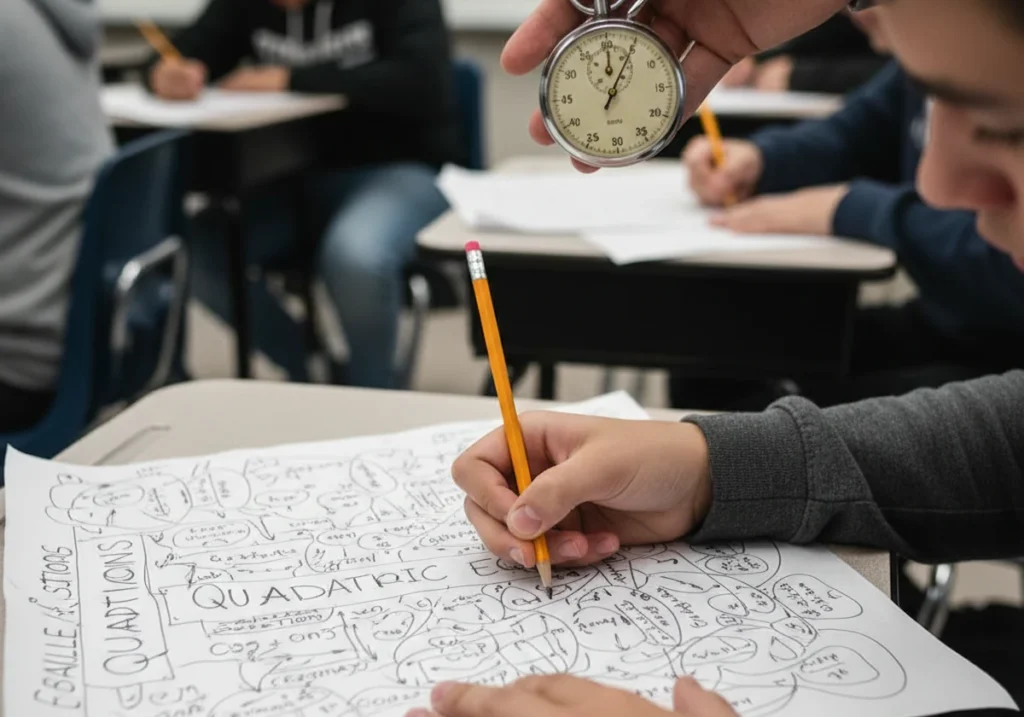
That’s when I started 30-second brain dumps. Before a tricky topic, like solving quadratic equations or analysing symbolism in poetry, I give students 30 seconds to jot down everything they already know. Anything goes. Misspellings don’t matter. Half-formed thoughts are fine.
At first, the change wasn’t dramatic. But over time, students started asking sharper questions and making connections faster. They stopped staring blankly and jumped in right away.
It works because students activate what they already know before you add new information. They build on existing knowledge instead of starting from scratch.
Start tomorrow: give students 30 seconds to brain dump before the hard stuff and watch how much faster they engage.
Use the “Hands-Up, Hands-Down” Signal for Attention
You’ve been there. Mid-lesson, the room gets loud during partner work, and you need everyone back. Raising your voice feels exhausting, and saying “quiet down” three times never works.
Instead, raise your hand silently and wait. Students see it, mirror the gesture, and go quiet. No yelling. No repeating yourself.
The Responsive Classroom approach, used in thousands of schools, teaches this technique because visual cues paired with physical action work better than verbal commands. Students can’t talk while holding their hands up, and the silence spreads naturally across the room.
Practice it once at the start of class so students know what it means. Then use it consistently. Within a week, you should be able to reclaim attention in under 10 seconds instead of losing two minutes to “guys, listen up” cycles.
Give it a try tomorrow during your noisiest transition.
Break Big Tasks Into Three Manageable Chunks
Hand a student a five-paragraph essay, and their expression freezes. The task feels massive. They don’t know where to start, so they stare at the blank page and lose focus before they’ve written a word.
The fix is simple. Break big tasks into three clear chunks like this:
Brainstorm and outline
Write the body paragraphs
Draft the introduction and conclusion, then edit
Each chunk feels achievable, so students stay focused and actually finish more work. They build momentum instead of shutting down. Next time you assign something big, try this approach. You’ll likely notice better focus and more consistent progress.
Small Tweaks, Real Impact
I’ve used every one of these strategies for years. They’ve worked in my classroom, and they’ll work in yours.
You don’t have to master them all at once. Start with one tomorrow, see how it goes, then add another when you’re ready.
Results don’t happen in a day, but small changes add up fast.
I share more teaching strategies like these on On The Culture. Check it out if you found these tips helpful.
Patience is the teaching skill that controls how you respond when lesson plans fall apart unexpectedly. When students ask the same question five times or classrooms descend into chaos, patience determines outcomes. You’ve probably heard experienced teachers talk about staying calm but rarely explain how they built that capacity.
The truth is simple: without patience, even perfect lesson plans fail because frustrated teachers can’t adapt effectively. Managing 25 students with different needs at once requires composure that doesn’t come naturally to most people starting their teaching career.
Today, we’ll cover why new teachers struggle with patience and how to strengthen it on purpose. You’ll also learn specific techniques based on classroom management research and professional development strategies. Let’s start with why patience gets tested right away.
Teaching Skills Start Here: Why Patience Gets Tested First
Patience fails early because new teachers face 30 competing demands every hour without experience in prioritizing responses. Classroom management becomes the hardest teaching skill when you’re juggling different teaching methods while students struggle at various speeds.
It’s time to understand why this challenge hits so fast.
Classroom Management Demands Split-Second Choices
Teachers make 1,500 decisions daily while managing different learning speeds and behavior levels at once. So, when one disruptive student derails lesson plans, you’re forced into instant adjustments without showing frustration.
The learning process takes many forms, meaning what works for the entire class rarely works for everyone. New educators lack experience in reading classroom dynamics, so small issues escalate before intervention happens.
That’s why your teaching style gets tested the moment students don’t understand instructions the first time. What’s more, unexpected challenges appear constantly: students struggle with concepts that seemed simple during planning.
Student Performance Doesn’t Follow Your Timeline
Now let’s look at the timeline issue that frustrates most teachers. Clear instructions don’t guarantee immediate understanding. It’s because students process information at vastly different rates. However, repeating concepts five times feels inefficient, but it matches how actual learning works in classrooms.
After years of working with new teachers, we’ve seen this pattern repeat constantly. Expecting quick progress creates frustration when reality shows slower growth than the lesson plans anticipated.
Yes, students indeed need time to process teaching methods that feel obvious to educators. When you rush this natural learning process, impatience builds faster than student understanding ever could.
What Happens When New Teachers Lose Patience Too Fast?
Visible frustration damages student trust, making them less willing to ask questions or admit confusion. Students pick up on teacher stress faster than most educators realize, so they start shutting down instead of engaging. Here’s the thing: one sharp comment can shift an entire classroom’s energy for the rest of the period.
Sharp responses create tense classroom atmospheres where students disengage rather than risk embarrassing interactions (we’ve all been there). What happens next is predictable: student engagement drops because the learning environment feels unsafe. Teachers who snap at struggling students often see behavior problems multiply instead of improve.
That’s why early impatience patterns become habits that hurt professional reputation and make teaching feel exhausting. The classroom becomes a place where students avoid participation, and teachers wonder why their lessons fall flat. However, recognizing this cycle early gives you the chance to break it before it defines your teaching career.
Building Relationships vs. Losing Respect: The Balance
The best part about patient classroom management is that students actually cooperate more when they trust your consistency. Building relationships takes time, but losing respect happens in seconds. That’s why we need to understand how patience protects both connection and authority.
Clear Expectations Need Consistent Follow-Through
Let’s look at why consistency is more important than strictness. Setting rules means nothing without patient enforcement since students test boundaries to understand real limits. This is where most people go wrong: inconsistent responses confuse students about actual expectations, creating more behavior problems than they prevent.
So following through calmly every time builds credibility while angry enforcement damages positive relationships without improving behavior. When push comes to shove, students respect teachers who remain calm and stick to what they said. Effective classroom management relies on predictable responses, not emotional reactions.
Beyond that, confident teachers understand that clear expectations paired with consistent routines create a supportive environment where students develop trust. That’s how you build positive relationships without crossing into friendship territory that makes students lose respect for your authority.
Active Listening Prevents Most Patience Problems
Now let’s talk about the listening skills teachers overlook. Hearing student explanations before reacting reveals misunderstandings that look like defiance or disrespect at first (this happens more often than you’d think). So when you jump to conclusions, you waste time correcting problems that didn’t exist or missing actual issues entirely.
Two minutes of active listening prevents ten minutes of frustration from addressing the wrong problems repeatedly. Students feel heard when teachers make eye contact and actually understand students’ perspectives before responding. That simple shift creates a positive learning environment where the classroom community thrives.
On top of that, active listening strengthens emotional learning and self-skills for both teachers and students. When you take time to understand diverse perspectives and different perspectives in your classroom, students are more willing to engage honestly instead of shutting down.
Professional Growth Through Self-Evaluation
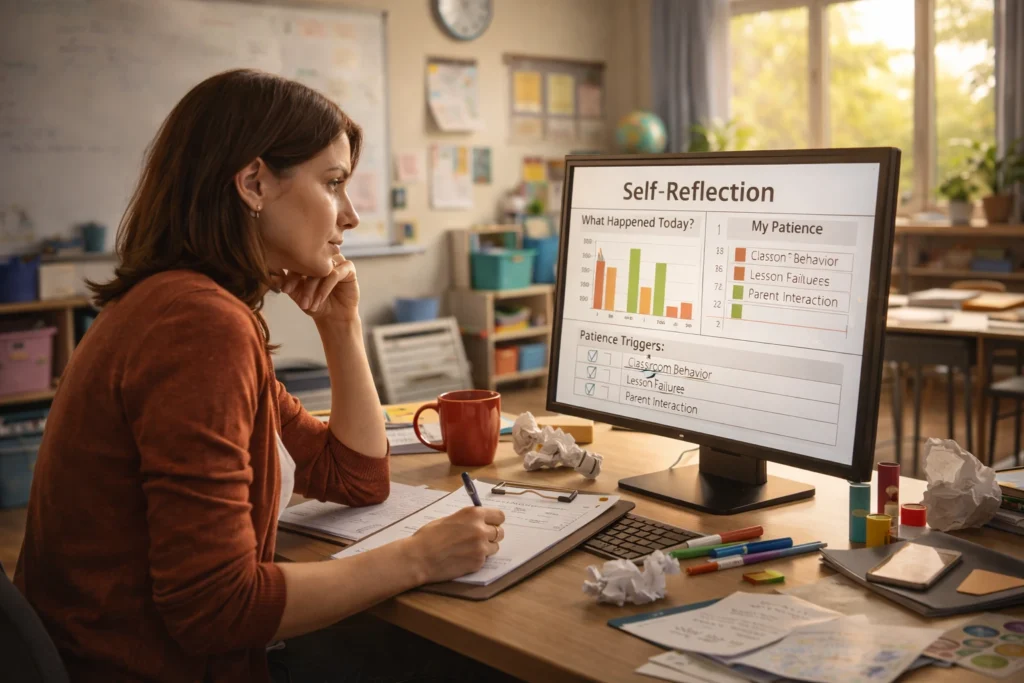
Research shows teachers who track their patience triggers report fewer frustrating interactions within weeks of starting. So why does this work? Well, self-evaluation becomes the most powerful tool for professional growth because it shows exactly when and why patience breaks down.
In our experience with hundreds of first-year educators, those who practice self-reflection improve faster than teachers who just hope things get better. A teaching journal helps you identify trends in student performance data that reveal whether impatience stems from unrealistic expectations or preventable planning gaps.
For example, if math scores drop during afternoon lessons, maybe students need movement breaks rather than harder consequences. Self-evaluation can make you a better teacher by helping you bite the bullet and honestly assess personal stress management.
That means separating teaching challenges from outside life pressures affecting classroom responses. Fellow educators and school leaders in the education industry emphasize this: identifying areas where your teaching practice needs adjustment prevents burnout before it starts.
Practical Ways to Strengthen Patience During the School Year
Now that you understand why patience breaks down, these methods work in actual classrooms during the school year. Teachers who apply even one of these techniques see improvement within weeks.
Let’s look at what strengthens patience most effectively.
Differentiated instruction: Matching tasks to current abilities prevents frustration from forcing uniform expectations on students with different learning styles. Students learn at various speeds, so creating lesson plans with multiple entry points reduces the impatience that comes from constant reteaching. That’s why teachers using differentiated instruction see better outcomes because students engage at their actual grade level instead of pretending to keep up.
Engaging lessons: Building lessons with real-world examples and collaborative projects keeps students focused, reducing off-task behaviors that test patience the most. Effective teaching habits include tech integration and hands-on learning experience options that improve student outcomes naturally. Now here’s where it gets tricky: when students see why content matters beyond tests, student engagement rises and classroom disruptions drop on their own.
Three-second pauses: Taking quick pauses before responding to disruptions prevents reactive comments that escalate minor situations into major problems. This simple teaching practice gives you time to assess whether a student legitimately needs help or just wants attention. The thing here is that teachers who pause first engage students more effectively because responses feel measured rather than emotional, improving the entire learning environment.
Backup activities: Creating enrichment teaching materials for fast finishers stops boredom behaviors before they start testing classroom limits (annoying, but necessary). Students who complete work early often distract others or lose focus entirely during the school year. What’s more, having meaningful feedback-ready extension activities keeps the classroom productive and reduces patience-testing moments throughout daily instructional strategies.
Pro tip: Start with just the three-second pause technique this week. What we can assure is that once pausing becomes automatic, add one differentiated instruction element to your existing lesson plans for immediate results.
From Surviving to Thriving: The Growth Mindset Shift
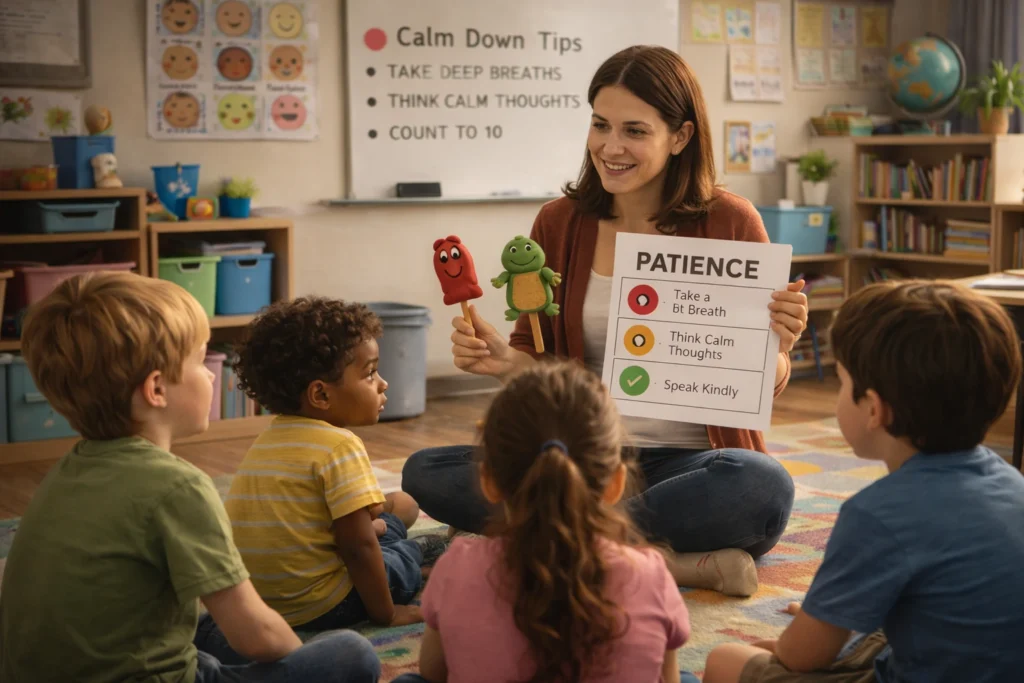
Patience becomes easier once you stop viewing impatience as a character flaw and start treating it like any other teachable skill. Think about it this way: a growth mindset changes how teachers approach patience struggles entirely. Viewing patience as learnable improves the feeling of possibility instead of hopelessness.
Teachers who adopt a growth mindset about their professional growth handle classroom challenges differently. Students thrive in learning environments where teachers model growth mindset thinking by admitting struggles and working through them openly. That’s why recognizing first-year struggles as normal reduces shame around having patience problems initially.
Each difficult interaction becomes practice when a growth mindset guides perspective. This shift creates a shared purpose between teachers and students: everyone’s learning together, and that’s an essential part of maintaining a healthy work-life balance in this demanding profession.
Your Next Step in Professional Development
Patience grows through intentional practice, not magical personality changes or waiting for easier students. Teachers who strengthen this teaching skill see improvements in both classroom management and student outcomes within weeks. At the end of the day, professional development in patience directly impacts your teaching career success more than any curriculum choice.
Starting with one small adjustment, like pausing before responding, creates measurable improvement fast. Self-evaluation shows which techniques work best for your specific classroom challenges. These teaching skills compound over time, leading to better student outcomes and academic success for everyone.
On the Culture is here to help you with practical strategies built for real classrooms. Keep an eye on our website to get more insights on developing the teaching skills that are actually necessary for your professional development journey.
Good teachers never stop being students because the classroom keeps changing around them. New research comes out, students need to change, and teaching methods improve over time. So the educators who do well are usually the ones who stay curious and keep learning.
But a lot of teachers who want to develop new strategies feel stuck because there’s not enough time, resources, or support to make it happen. If you’re one of these educators, then you’re in the right place.
In this article, we’ll talk about why teacher learning is so important, how you can build it into your routine, and how it can help students, too. You’ll also find practical ideas you can actually use, even when your schedule is packed.
First, we’ll look at what makes professional development effective.
How to Make Teacher Professional Development Truly Effective
Professional development is most effective when it connects to what teachers do in the classroom every day. Like we mentioned before, generic training sessions often fail because they do not relate to real teaching challenges. The goal should be growth that feels useful.
So let’s look at what gets in the way and what actually helps.
Why Traditional Professional Development Falls Short
Most one-time workshops do not create lasting change because they do not connect to everyday classroom work. Teachers sit through generic sessions, take a few notes, and then go back to their routines with no real follow-up.
We’ve noticed that this kind of compliance-driven training is what frustrates educators who genuinely want to improve. If professional development feels like just a task to complete, it will be hard to stay motivated.
That’s why, over time, many teachers stop expecting much from these sessions at all.
What Effective Professional Development Actually Looks Like
Effective programs look very different from traditional workshops. For starters, they spread out over time instead of being squeezed into a single afternoon. Research from the Learning Policy Institute shows that strong teacher learning is focused on content, hands-on, and built into the school day.
Teachers will also need time to reflect and get honest feedback from peers. This is how you can make professional development stop feeling like a chore.
Supporting New Teachers Without Overwhelming Them
New teachers have a lot to learn at the start (like classroom management, lesson planning, and student needs), so throwing too much at them quickly can backfire. We’ve found that mentoring, coaching, and structured guidance from experienced colleagues is what helps most in these early stages of a teacher’s career.
Also, at this stage, it’s more important to build confidence than to cover a lot of content. Schools that foster a supportive culture help new teachers develop a growth mindset. This mindset allows them to move beyond just surviving each week and start improving their skills over time.
Building Continuous Teacher Growth Into Your Daily Routine
Continuous growth doesn’t always come from formal training or big events. Much of the best learning for teachers happens during the regular school day.
Here are some practical ways you can build learning into your day without adding extra work to your schedule.
Teacher Learning Happens Between the Big Moments
You’ll notice that some of the most valuable growth happens in small, informal ways that don’t feel like learning. For example, you might adjust a lesson when students seem confused, ask a new question to spark discussion, or watch how students respond during group work.
Pay attention to these moments because they connect directly to your teaching practice. Once you start noticing these small moments, learning will become part of your daily routine.
Building New Skills Without Reinventing Your Practice
Now, you don’t have to overhaul everything to develop new skills. In fact, like we mentioned, trying to change too much at once usually backfires and can leave you feeling burnt out.
A better approach is to test new strategies in small, low-risk ways and see what happens. You can pick one skill or approach at a time, like setting up small group discussions for reading comprehension, before moving on.
Then you can reflect on them in brief sessions that you can easily fit into your daily life. Even a few minutes at the end of the day can help you notice patterns and make lasting improvements.
Overcoming the Biggest Barriers to Growth
Time is the biggest challenge for most teachers, but micro-learning and quick reflection let you grow even in a busy schedule.
For example, you can review a short article on classroom strategies, watch a brief teaching video, or note one thing that went well in a lesson. And when you feel overwhelmed, try to focus on any progress you made.
Isolation is another common barrier, and collaboration is often the best fix for it. You can work with colleagues, share ideas, and solve problems together to make the learning feel less lonely. Over time, this kind of support will help you build a stronger educator mindset and lasting professional confidence.
The Growth Mindset Every Teacher Needs
So, what’s one thing you’ve learned recently that changed how you teach? It’s a simple question, but the answer can tell you a lot about where you are right now.
Remember that teachers who commit to continuous growth get better at their jobs and become role models for the very mindset they want their students to have. When you show up curious and willing to learn, your students will notice. That kind of example stays with them long after they leave your classroom.
And if you invest in your teaching practice, you’ll also feel more confident and more connected to your work. Your students will benefit, too, because they get a teacher who cares about getting better.
For more ideas on building a strong educator mindset, visit On the Culture.
Teaching basically looks like lesson plans that eat up your evenings, parent emails at 9 pm, and constant worry about students who need support. So teachers usually don’t clock out when classes end. The work spills into nights, following you home with grading, planning, and worrying about the kid who’s falling behind.
We get it because we’ve watched educators stretch themselves thin trying to do it all. And to help you manage better, here’s what we’ll cover:
The reality of teaching today
Hidden work that happens after school
Why emotional labor is now part of the job description
Technology’s role in your workload
Let’s break down what teaching really involves so you can see the complete picture.
What Does the Teaching Reality Look Like Today?
Teaching in reality is the mix of classroom instruction, emotional support, and family communication that fills a teacher’s day, other than teaching hours. The truth is that modern-day teaching holds extra job responsibilities that weren’t there before.
Teachers provide mental health support while managing behavior challenges. For instance, when a student shows up anxious or upset, you can’t dive straight into the math lesson. You need to pause, check in, and help them settle first.
Add in family outreach, data tracking, and community needs, and you’ve got a job that looks nothing like it did a decade ago. So, where does all this extra work happen?
Classroom Teaching vs. the Full Picture
Ever wonder why teachers arrive early and leave late, even though classes end at 3 pm? The classroom part is only one piece of a much bigger puzzle. Here’s where all that extra time disappears.
Lesson Plans Take Hours Beyond Class Time
Lesson plans take serious work. Teachers research materials and align them with standards while preparing different approaches for diverse learners. Most of this happens in evenings and weekends when you’re designing activities that engage students.
Student Behavior Management Extends Past Dismissal
Student behavior issues don’t end at 3 pm. Teachers document what happened, then meet with parents and counselors to build intervention strategies. This classroom management needs relationship building and follow-up that stretches way past school hours.
Communication with Families Happens Around the Clock
Parents expect quick responses about grades, assignments, and what’s happening in class. When concerns arise, teachers coordinate conferences and address issues that pop up nights and weekends.
Now add in all the administrative work that keeps schools running.
The Unseen Workload
Beyond the classroom hours we just covered, there’s another layer of work most people never see. This unseen workload includes paperwork, training, and coordination that happens behind the scenes. Let’s dive into a detailed discussion:
Administrative Tasks and Documentation
Paperwork never really stops. Classroom teachers complete attendance records, grade reports, and compliance forms on a daily basis.
The sunny side to paperwork? It creates a clear record when incidents happen, so teachers document everything with contact logs and progress notes for school administrators.
Professional Development and Training Requirements
Schools require ongoing training on new teaching methods. To meet these requirements, teachers need to attend workshops. This professional development means reading research and trying new techniques in lessons.
Collaboration with Support Staff
Teachers work with support staff to address student needs. And during team meetings, educators share observations and build plans for struggling learners. The insights from colleagues help improve classroom strategies.
But all this work is still just the practical side of teaching.
Emotional Labor: Why Teachers Carry More Than Curriculum
Research shows 62% of teachers now provide increased emotional support to students compared to pre-pandemic levels. When a child shows up dealing with problems at home, the lesson has to wait. You create space for them to feel safe first, which means listening and helping them settle before any learning happens.
You should also take notice of mood changes and encourage when students need it most. This emotional support includes mediating conflicts between children and connecting families with community resources when they need help.
And while teachers handle all this emotional work, technology keeps adding more to their plates.
How Technology Has Changed Teaching Responsibilities
Technology has completely changed teaching. Digital platforms, online grading, and constant connectivity now stretch teaching hours into evenings and weekends as well.
Take Google Classroom as an example. Teachers monitor it constantly for assignments and grades. When work goes live, questions flood in from students and parents through multiple channels at all hours.
However, tech issues pop up regularly. You will have to troubleshoot problems while teaching digitally and making sure every student can access the materials they need. These so-called helpful tools often create extra work.
But teachers don’t handle all these challenges alone.
What Support Systems Exist for Teachers?
Support staff, mentor programs, and professional learning communities create networks that help teachers manage their expanding responsibilities. Counselors, aides, and specialists handle student needs outside academics. These team members jump in when classroom challenges get overwhelming.
Like Mentor teachers, professional learning communities offer guidance on classroom management and curriculum planning. They’ve been through tough situations before, so their insights prove valuable. Let’s be honest, other educators get it. They face the same struggles, which makes their advice more useful than any handbook.
These support systems help, but flexibility stays important, and plans change constantly. So how do teachers manage when everything falls apart mid-lesson?
Balancing Preparation with Unexpected Demands
Teachers balance preparation with constant interruptions. You create detailed lesson plans knowing they’ll likely change halfway through the day. That’s because fire drills happen without warning, and student crises suddenly take priority over math class. And if an assembly pops up, your carefully timed lesson ends up stretching across two days.
Adjusting on the spot becomes routine. When students struggle mid-lesson, you switch gears to help them understand. Then behavioral situations pull you away from instruction. On top of that, urgent emails arrive during planning periods, and administrative requests consume time meant for grading.
That’s the full picture of what teaching involves outside the classroom.
Finding Your Footing in the Teaching Reality
Teaching reality stretches far past classroom instruction. The profession includes emotional support, administrative work, and constant communication that fills your nights and weekends. It demands more than most people realize, but solutions exist.
Support systems help, and setting boundaries protects your energy. Plus, advocating for resources can lighten the load. We’ve walked through what teaching looks like today, the hidden workload, emotional labor, technology’s impact, and the support systems available to help you manage it all.
Ready to explore more about the teaching profession? Our team at On the Culture will take you through every skill, strategy, and insight you need to build a successful teaching career. Let’s make teaching work for you.
New teachers can build confidence before their first job by focusing on preparation, skill development, and having the right mindset. You don’t need years of experience to feel ready for your first classroom. A clear plan and a willingness to learn can get you there.
A 2022 survey by the EdWeek Research Center found that 40% of teachers feel burnt out, with early career educators reporting the highest stress levels. A big part of this stress comes from common struggles like classroom management, lesson planning, and communication skills.
That said, confidence and experience are not the same thing. You can feel prepared even without years of teaching under your belt. The difference really comes down to how well you practice, how much you plan ahead, and how you respond to setbacks.
In this article, we’ll share our strategies to help you feel confident before your first teaching job. You’ll also learn which skills are most important and find a simple path to grow professionally.
First, we’ll walk through the basics that help build confidence early on.
How to Build Teaching Skills Before Your First Classroom Day
Building teaching skills before your first job starts with observation, practice, and preparation. The more familiar you are with real classroom situations, the easier it will be to feel confident when it’s your turn to teach.
Here are some practical steps you can take right now.
Observe, Reflect, Improve
One of the best ways to learn is by watching experienced teachers do their thing. If you get the chance, visit a classroom and pay close attention to how the teacher handles different situations. For example, notice how they give instructions, manage disruptions, or help students who are struggling.
We also recommend bringing a teaching journal with you to write down what works and what doesn’t. Over time, these notes will become a helpful guide when you start planning your own lessons.
Try Micro-Teaching
Once you’ve spent some time observing, your next step is to practice on your own. Micro-teaching lets you do this without the pressure of handling a full classroom. The idea is to teach a short lesson to friends or family and ask for honest feedback.
You can also record yourself and watch it back later. Doing this will help you catch small habits you might miss in the moment, like speaking too quickly or forgetting to make eye contact.
Tech Confidence
These days, it’s also necessary to get comfortable with classroom technology. A good place to start is Google Classroom, which many schools already use.
From there, you can explore other mobile tools for educators, like Kahoot for quizzes, Seesaw for student portfolios, or ClassDojo for behavior tracking. We often notice that teachers who practice with tech before starting their jobs adapt much faster once they’re in the classroom.
Prepare Your Classroom Management Style
Another area to focus on is classroom management, which will help you create a positive learning environment. If your students feel safe and know what to expect, they’ll be more likely to participate.
So before your first day, spend some time thinking about how you’ll handle common disruptions like students not following instructions, or conflicts between classmates. Then plan your routines and set clear rules ahead of time. Having these systems ready means one less thing to stress about when you finally step into your own classroom.
Start Planning for Professional Development
Now you should be ready to practice building lesson plans before you need them. Lesson plans are the foundation of effective teaching, and creating one from scratch is a great way to prepare.
Start by picking a subject you feel comfortable with, then build a sample lesson with clear learning goals. Let’s say you chose math, focusing on fractions. You could then create a sample lesson with clear learning goals, like helping students learn to add and subtract fractions with like denominators.
After that, practice delivering your lesson while keeping an eye on time management. With a few practice sessions, you’ll learn to manage your time and won’t have to rush or worry about finishing your lesson.
How to Define Professional Growth (And Set Realistic Goals)
Professional growth means building new skills and experiences that help you do better in your current position and move toward your career goals. For new teachers, this starts with honest self-reflection about where you are and where you want to be.
Let’s see how you can set the right goals for yourself.
What Is Professional Growth?
Professional growth means improving your skills and becoming more confident in your work over time. A lot of people assume professional growth is all about promotions or bigger paychecks. But it actually involves learning to look at your own work honestly so you can spot areas where you need to improve.
Where Do You Stand Today?
Before you can set meaningful goals, you need to know your starting point. Take a moment to think about your current strengths and weaknesses. Ask yourself: how are my communication skills? How do I improve my time management or leadership abilities?
Consider your teaching methods, too, and whether there are areas where you feel less sure of yourself. This kind of self-awareness will give you a better picture of where to focus your energy.
Set Goals That Will Get You Somewhere
After you’ve reflected on where you stand, your next step is to set goals that are clear and realistic. A helpful way to do this is by using the SMART framework.
SMART stands for Specific, Measurable, Achievable, Relevant, and Time-bound. Instead of a vague goal like “I want to get better at lesson planning,” you’ll try something more concrete. For example, “I will create three complete lesson plans by the end of next month.” Measurable goals like this are easier to track and keep you motivated along the way.
Learn to Welcome Feedback
Even with clear goals, it can be hard to know if you’re making progress on your own. That’s why feedback is so important. Constructive criticism, for instance, can help you see things you might miss by yourself.
It can feel awkward at first, but learning to accept feedback is one of the fastest ways you can grow. So ask your trusted friends, mentors, or colleagues to share their honest thoughts about your teaching style.
Join a Growth-Focused Community
You should also surround yourself with people who care about growing. A professional learning community, often called a PLC, is a great place to find this kind of support. These groups bring together educators who share ideas, talk through challenges, and encourage one another.
Being part of a community like this will also keep you motivated and remind you that others are going through similar experiences. Our team has found that teachers who connect with peers early in their careers tend to feel more confident and less alone.
Build Confidence for a Successful Teaching Career
We hope you’ve found a few ideas that make the road ahead feel a little less overwhelming. Building teacher confidence doesn’t happen overnight, but every small step you take will add up over time.
Before you jump into action, take a moment for some honest self-reflection. Ask yourself: what area makes me feel least confident right now? Maybe it’s classroom management, time management, or communication skills.
Whatever it is, identifying that one thing will give you a clear starting point. And once you know where to focus, moving forward will become much easier.
A simple way to stay on track is by creating a 30/60/90 day growth plan.
In your first 30 days, spend time observing classrooms and practicing micro-teaching with friends or family. During the next 30 days, you can set two or three measurable goals using the SMART framework we talked about earlier.
Then, by day 90, you can connect with a professional learning community and start asking for feedback on your progress. Small steps like these will help you grow professionally and build career satisfaction along the way.
For more tips on building a successful career in education, check out other resources at On the Culture.
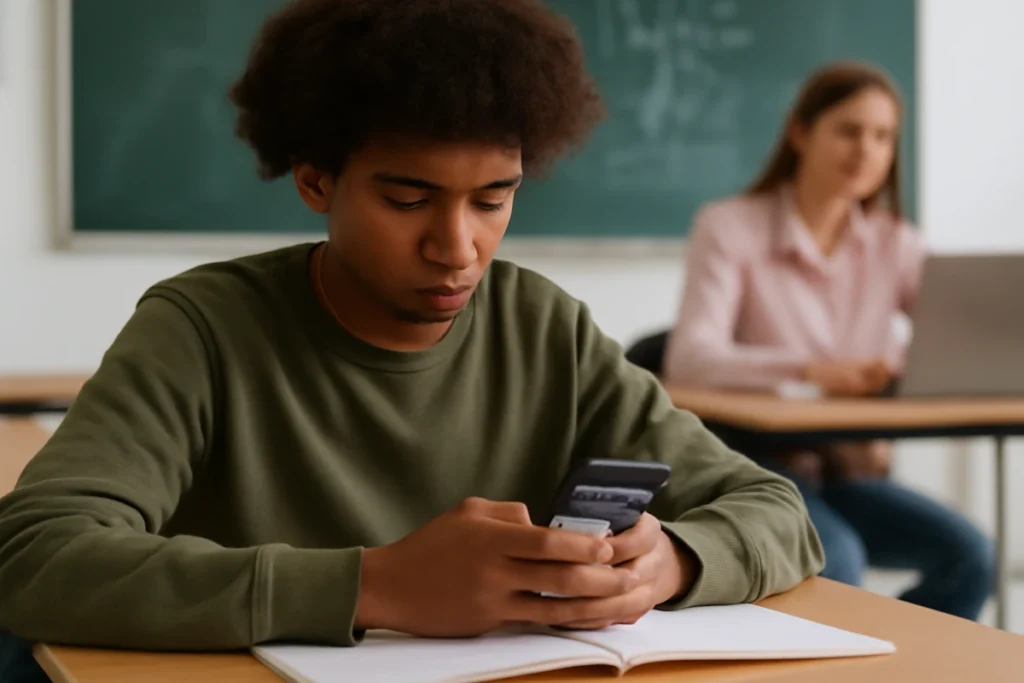
Did you know that almost one-third of students admit to being distracted by their devices during most of their classes? It’s a statistic that should concern every teacher and parent. With constant notifications popping up from dozens of apps every few minutes, staying focused has become harder than ever.
Students of the digital age face distractions their teachers never had to deal with, but you can still keep them curious.
And no, you don’t have to ban technology or go back to chalkboards and overhead projectors. Instead, you can use a few proven strategies that keep their attention span beyond the next TikTok video.
In this article, you’ll get practical classroom strategies that actually work, plus tips to help you create an engaged and focused learning environment. So let’s get students curious again.
What Is Student Engagement in Digital Classrooms?
Student engagement is the attention, curiosity, and effort students show in the classroom. It’s when students ask questions, lean forward in their seats, and want to know more, instead of sitting quietly at their desks.
Engaged students participate, think deeply, and connect with the material in ways that stick with them long after class ends. But engagement doesn’t look the same for every student. So let’s break down the main types you’ll see.
Types of Student Engagement in Classrooms
Researchers break student engagement into three main types: behavioral, cognitive, and emotional. Each one is significant in digital classrooms because engagement falls apart without one. Here’s a brief overview:
Behavioral Engagement: Behavioral engagement is what you can see students doing in classroom activities. You can spot behavioral engagement through visible actions like note-taking and physical classroom activities. When students are behaviorally engaged, they’re present, focused, instead of scrolling through Instagram.
Cognitive Engagement: For cognitive engagement, the focus is on mental effort. It’s when students create original work instead of copying information from the first Google result. Instead, learners push through because they want to understand a topic.
Emotional Engagement: Emotional engagement is needed for students to feel motivated to push their limits and pursue achievements. It’s when they feel safe, valued, and connected to the learning environment. A sense of belonging keeps engaged students motivated through difficult academic challenges.
These three types form a complete framework of how to keep a student’s engagement strong, especially in today’s digital classrooms.
What Makes Students Lose Focus in Digital Learning?
Students lose focus on screens because screens are built to constantly grab and hold their attention. Tech companies hire psychologists to make apps as addictive as possible. Features like endless scrolling, notifications, and quick rewards keep their brains wired for distraction, making it hard to stay curious or concentrate for long.
Take a look at how their focus works when screens are there.
Notification Overload Breaks Concentration
Students check their phones an average of 100 times a day, and every buzz or vibration pulls them out of whatever they were learning. And schools are still figuring out how to manage personal devices, but the main issue is how powerful the pull of these screens has become.
One study showed that students performed worse on exams even when their phone was turned off and sitting on the desk. And if you add unlimited internet access, distractions spread far beyond anything a classroom can control.
Passive Consumption Replaces Active Learning
Another reason is passive scrolling that turns students into spectators instead of thinkers. Apps that are built for quick entertainment gradually push students toward autopilot mode.
This is what passive scrolling does:
Reduces critical thinking
Weakens problem-solving
Encourages short bursts of attention
Makes longer lessons feel overwhelming
TikTok and Instagram train the brain to follow 15-second clips, so their brains get used to fast, effortless content. And they struggle when facing a 40-minute lesson.
Digital Tools in Classroom Management
Surprisingly, students actually focus better with limits. This might sound backwards at first because kids need freedom to explore and learn. But unlimited screen access isn’t freedom, it’s chaos.
So let’s talk about how to create a balance without turning your classroom into a tech-free zone:
Set Clear Technology Boundaries
Clear rules about tech tools remove confusion and help students stay on track. Teachers establish acceptable use policies on day one for the learning space.
Screens stay at 45-degree angles when they’re not being used for work. This one trick can be handy for you because students can’t secretly scroll when their screen faces you. You can also designate tech-free zones where students learn without digital content around them.
Use Screens for Exploration, Not Consumption
Screens work best when students create, research, and solve problems instead of watching. So, encourage students to research, create content, and solve real problems on online platforms.
Interactive activities teach complex concepts better than passive video watching. This is the difference between watching someone cook and actually making the meal yourself.
So, providing students with learning objectives keeps screen time focused and productive.
Teach Digital Citizenship Skills
Students learn to recognize when apps manipulate attention through design features. Digital citizenship covers online safety, ethical behavior, and smart screen habits, and it works best when students learn to make these choices on their own.
So tell them to track their screen time so they can see their own patterns. Many students don’t realize how quickly those hours add up. When they understand how tech is designed, they’re better equipped to resist distractions and stay focused longer on their own.
Classroom Activities to Boost Critical Thinking
Once you’ve set clear boundaries and taught digital citizenship, use it as your cue to use technology in ways that make the learning process interesting. You don’t need every new app, just a few strategies that help students care about what they’re learning.
Here are four that work well:
Connect Lessons to Real-World Careers
Students pay more attention when they see how their lessons relate to future jobs. So show how your subject is used in real careers. For example, architects use geometry, marketers use writing, and scientists use data.
Invite professionals to speak or share short videos about their work. Then, let students explore careers that match their interests. Because the learning process feels more meaningful when it’s connected to real goals.
Show Genuine Enthusiasm for Your Subject
Your passion is more effective than any tech tool for boosting a student’s active participation. So, think about when was the last time you got excited about something because the person explaining it sounded bored?
So share why you love your subject through stories and personal experiences. Talk about the moment it all clicked for you. This enthusiasm signals to students that the material deserves their attention.
Mix Collaborative and Independent Digital Work
A mix of group discussions and solo work keeps involving students from a diverse range. Online resources help students work together in real time, and independent tasks give them space to think at their own pace.
So, use activities like think-pair-share or small digital groups. But keep a balance because some students learn best by talking, but others work well quietly.
Gamify Without Sacrificing Depth
Games can make the learning process fun, but real understanding comes from critical thinking challenges. Interactive simulations like Kahoot and Prodigy make practice fun without replacing rigorous teaching methods. Here, the points and leaderboards motivate students when they’re linked to real learning goals.
But remember to balance gamification with activities requiring critical thinking and deeper understanding. For example, a gamified quiz is great for vocabulary practice, but you still need essays for analysis.
Student engagement needs substance behind the entertainment value of games.
Screens Don’t Have to Kill Academic Outcomes
Keeping students curious in a screen-heavy world is possible, and it starts with clear boundaries for when and how technology is used. It also depends on your energy in the classroom.
When you show true enthusiasm for your subject, students feel the motivation. And when lessons clearly link to real careers and everyday life, the material suddenly seems more interesting.
Their curiosity fades only when screen time turns into mindless watching. So, try one strategy from this article next week. Because students want to learn, and they want to feel engaged.
Your role is to show them why the studies are important and guide them toward better habits. And for more classroom strategies, check out On The Culture.
Ever noticed how some teachers just seem to have it figured out? Like how their classrooms always run smoothly, students actually listen, and somehow, they’re not burned out by March.
But great teaching like that doesn’t come from working harder or staying at school until 8 PM every night. Instead, it often shows up in small, everyday moments, like noticing when a student needs extra support, adjusting a lesson in real time, or simply choosing to protect your own energy so you can show up fully the next day.
If you want to know the habits that separate good teachers from great ones, keep reading. Because this guide will show you what to notice, how to think, and which daily practices actually work.
What Are Effective Teaching Habits?
Effective teaching habits are the small, consistent actions that separate good teachers from the great ones. They’re nothing flashy or complicated, and you’ll never notice them when you walk past a classroom.
But these habits mould into how students learn and grow. For instance,
Reflecting on Every Lesson: Great teachers always review what worked and what didn’t after class. Reflection helps educators pick up patterns in a student’s performance and engagement. Maybe you’ll start noticing things like morning lessons work better than afternoon ones.
Pursuing Professional Development: Successful teaching requires staying updated with new ideas and strategies. Teachers who attend workshops, read research, and learn from colleagues regularly are bound to have a better understanding of teaching. Because the way we taught five years ago doesn’t always work today.
These effective teaching habits keep your teaching skills sharp throughout your career. Plus, learning new approaches makes your job feel less repetitive and boring.
Growth Mindset Affects Student Success
Your mindset as a teacher directly affects how students view their own abilities and potential. When you believe students can grow, they start believing it too.
Take a look at what a teacher’s mindset can do to a student:
Builds Student Confidence: Teachers with a growth mindset praise hard work instead of natural intelligence. So instead of saying “you’re so smart,” you say “you worked really hard on that problem.” This approach creates a classroom where challenges feel exciting instead of scary. That’s when students start raising their hands more.
When Lesson Plans Fail: Even well-planned lessons sometimes fall flat in the classroom. But effective teachers pivot quickly without feeling bitter or defeated by setbacks. Your flexibility shows the students that mistakes are part of the learning process.
How Teachers Handle Failure: A growth mindset helps teachers view poor results as feedback for improvement. When half your class fails a test, you don’t just give up on them. Instead, you should think about how to teach this differently next time. Your mindset influences how you respond to constructive criticism from parents, too.
When teachers believe in their students, those students often rise to meet that belief. So a strong mindset becomes the quiet push that helps learners go further.
What Do Effective Teachers Notice That Others Miss?
Experienced educators always catch subtle cues before problems escalate. You can walk into any classroom and you’ll see a teacher at the front, teaching a lesson. But great teachers are scanning faces, reading body language, and picking up on tiny shifts that others miss.
This awareness separates okay teachers from exceptional ones. For example,
Small Changes in Student Behavior: For a great teacher, it’s easy to spot when a student suddenly gets quiet or distracted. Maybe Sarah always participates but hasn’t spoken in three days. Or Jake keeps staring out the window instead of taking notes. A quick check-in can prevent a student from falling weeks behind.
Energy Shifts in the Classroom: Teachers can read the room and adjust their teaching on the fly. If you notice everyone’s eyes glazing over during your lecture, that’s your cue to pause and do a quick movement activity. This awareness keeps the students alert throughout the entire school year.
When a Student Needs Support: Offering help without embarrassing students is a great virtue. For instance, seeing a kid erasing the same answer three times, or someone nodding along but writing nothing down. This practice helps students learn that it’s okay not to understand everything right away.
Effective teachers pick up on the quiet signals on how students are really doing. That awareness lets them adjust in the moment, instead of letting a problem fester.
Teaching Practices of Successful Teachers
Now that you understand mindset and observation skills, let’s cover the daily routines that can help you get through. These are simple habits that keep you sane and effective, they’re nothing grand or complicated.
So let’s read the secrets of the ones who last decades.
Prioritizing Self-Care Without Guilt
Teaching comes with great responsibility, but if you have an empty cup, you can’t pour from it. Research published by the National Institutes of Health found that burnout prevalence among teachers ranges from 25% to 74%. That’s why taking care of your well-being makes you better for students.
Effective teachers protect personal time for rest, hobbies, and their personal lives. And that can mean saying no to extra committees sometimes, or leaving school at 4 PM without guilt.
Self-care isn’t selfish when it helps you show up energized. Because a rested teacher has more patience and creativity than one running on fumes.
Setting Boundaries With Work Hours
Great teachers plan ahead, but they don’t grade papers until midnight every night. Gallup research shows K-12 teachers have the highest burnout rate of any profession in the US, with the number standing at 44%. So, setting these limits protects your mental health and prevents feeling bitter in the long run.
We suggest you finish grading by 6 PM, and then you’re done for the day. No emails after dinner, and definitely no lesson planning on Sunday mornings. These boundaries will teach children that balance matters in life and in careers.
Staying Curious as Lifelong Learners
One habit that separates good from great is continuous learning. Lifelong learners keep up with new research, try different teaching practices, and experiment. Maybe you can test a new classroom management strategy you learned on a podcast, or you can try a math game another teacher shared.
This curiosity makes teaching feel fresh instead of repetitive each school year. When educators exemplify learning, students will see that growth never stops at graduation.
Great Teachers Focus On Relationships First
Research shows that teacher trust has a moderate to strong effect on student learning and classroom behavior. It’s real data from schools across the country. You can have the best lesson plans and the fanciest technology. But if students don’t trust you, none of it means anything.
Kids always listen to teachers they respect and trust, even at difficult grade levels. So building relationships early in the school year can prevent most behavior problems later. In the end, you spend less time dealing with disruptions and more time actually teaching.
And remember that this respect isn’t automatic, but as a teacher, you have to earn it through consistency, fairness, and understanding. Students ask better questions and stay engaged longer when they don’t want to disappoint someone who truly cares about their success.
Start Small for Successful Teaching
Now that you know what great teachers do differently, which habit will you start with?
You don’t need to overhaul everything tomorrow. You only need to pick one thing from the list we’ve mentioned. Maybe you’ll reflect on lessons for five minutes each day, or focus on noticing one student’s behavior you usually miss.
These small changes will eventually add up over the entire school year. Because the teachers who thrive aren’t doing everything perfectly. Instead, they’re just consistent with a few key habits that protect their energy and help students grow.
So, your teaching career doesn’t have to drain you. Especially when you truly strive to make the classroom a safe place. For more insights on building thriving educational environments, explore our resources at On The Culture.
The clock strikes 3:15 PM, and you’re staring at twenty confused faces after explaining fractions three ways. Every teacher knows this moment when lessons don’t land as expected.
So what separates teachers who stay frustrated from those who grow? Successful teachers don’t just move on, hoping tomorrow goes better. Instead, they pause and dig deeper. This practice is called reflective teaching.
We’ll start with simple steps to begin self-reflection, then show you which teaching areas to focus on first. Next, you’ll learn easy tools that work, and finally learn how to turn those insights into real improvements in your classroom
Teachers who master this see dramatic improvements in student engagement and confidence. Ready to transform tough teaching days into your biggest wins?
Your First Steps Into Teacher Self-Evaluation
Here’s what most teaching guides won’t tell you: self-evaluation for teachers feels scary because it means facing our mistakes head-on. And nobody enjoys realizing their “brilliant” lesson plan flopped like a pancake on Sunday morning.
But flip that script: this uncomfortable feeling actually signals that growth is about to happen. Think of self-assessment like looking in the mirror before leaving the house. Sure, you might notice your hair is messy, but now you can fix it before anyone else sees.
Ready to put this into practice? Start with something super simple that won’t overwhelm you. After school, grab your coffee and ask yourself two quick questions: What made my students light up today, and what made them check out completely? Our experience working with hundreds of teachers shows that this tiny habit creates big changes in just three weeks.
The magic happens when you treat these observations as helpful data, not personal attacks on your teaching abilities. Once you’re ready to start, knowing what to focus on makes all the difference.
What to Look At When Evaluating Your Teaching
Most teachers try to evaluate everything at once and get nowhere. These four areas give you the biggest impact for your effort. Focus here first, and you’ll see meaningful changes in your teaching effectiveness.
Real Classroom Management Solutions
Pay attention to your students’ body language during transitions and directions. Ask yourself this: do they respond quickly like a well-oiled machine, or do you sound like a broken record repeating instructions? Once you watch these patterns, you will know when your classroom is easy to manage and when it’s hard work.
Lesson Planning and Delivery Success
Lesson pacing affects student understanding more than most teachers realize. You either race through content while students look confused, or drag through material while watching kids mentally check out. The sweet spot happens when learning flows naturally without feeling rushed or painfully slow.
Student Engagement Signals
You know students are engaged when specific behaviors show up. They ask unexpected questions, lean forward instead of slouching, and focus without you constantly redirecting them. These signals reveal when your lessons hit the mark with student interests.
Parent and Student Communication
We understand how one conversation can completely change your teaching day. The most obvious thing? How clearly you explain assignments, provide feedback, and address student concerns determines whether your day flows smoothly or turns chaotic. Clear communication stops confusion and builds trust, while mixed-up messages create unnecessary stress for everyone involved.
After observing thousands of classrooms, these four areas we’re discussing right now consistently deliver the biggest improvements. Since the National Education Association has already created frameworks around these exact practices, you get practical tools that make strengthening your communication both simple and rewarding.
Simple Tools That Make Self-Assessment Easy
You don’t need fancy software or complicated systems to get started. Now, we’ll walk you through some proven teacher improvement strategies that will streamline your reflection process:
Teaching Reflection Journal: A simple notebook becomes your teaching laboratory. In that notebook, jot down what worked, what flopped, and why certain approaches succeeded or failed. Our experts recommend just three sentences daily, like writing teaching tweets that track your progress.
Strategic Lesson Recording: Once a week, pull out your phone during transitions, student responses, or tricky concepts. These short clips reveal blind spots you miss in real time. Watching yourself teach feels strange at first, just like hearing your recorded voice.
Student Feedback Collection: Want to know if your lesson actually landed? Ask students two quick questions on exit tickets: what did you learn, and what confused you? Their brutally honest answers become your most reliable teaching data.
Peer Observation Partnerships: Something magical happens when another teacher steps into your classroom space. Their outside perspective catches strengths you never recognized and habits you didn’t realize existed. You return the favor by observing their methods, naturally absorbing techniques that transform your own practice.
Creating Step-by-Step Teaching Improvements
You’ve figured out what’s wrong with your lessons, but now what? Actually fixing those issues feels completely different from just knowing about them. It’s like knowing that you need to clean your entire house but not knowing which room to tackle first.
So, instead of aiming for perfection overnight, choose just one area to work on. Pick the problem that nags at you most each day and tackle that first. Maybe your class drags their feet switching activities, or they lose focus during worksheets. But give yourself a measurable goal, like “cut transition time to two minutes by next month.”
We’ve watched this play out in classroom after classroom. Teachers who fix one thing at a time actually see changes happen, while those who try changing everything usually burn out and quit trying. Keep track of your small wins each week, do a little happy dance when things improve, and you’ll be amazed at how fixing one problem often fixes others, too.
Making Reflective Teaching Your Superpower
Make self-reflection a daily habit through reflective teaching practices. When you do this, it becomes your teaching secret weapon. You will trust yourself more and feel good about your choices. Your students will enjoy learning in your class.
Teachers everywhere want this growth. Thousands visit Bill Jason’s teaching blog every day. They share experiences in the forum and find trusted resources on Ontheculture. This community welcomes educational companies to connect with teachers through banner ads, newsletters, and workshops.
As you continue this journey, remember this truth. Great teaching means staying curious, making small changes, and keeping your love for teaching strong.
Parent-teacher communication can be stressful for both parties involved. As a teacher, you want to support students, but miscommunications, cultural differences, or unresponsive families can add more to the stress.
It’s easy to get discouraged. But building trust and connection with families starts with small, consistent actions.
In this guide, we’ll break down practical ways to strengthen teacher family relationships, making your job (and your child’s success) a whole lot easier.
And it all starts with trust.
Building Trust with Families: Your First Step to Better Communication
Ever notice how easy conversations feel when there’s trust? It’s the same in parent-teacher communication. But for many families, schools can feel overwhelming or unfamiliar. They might not know when to reach out or what to expect from teachers.
So you need to set the tone early and build genuine connections with families through small, simple actions.
Here are a few easy ways to start building trust with your student’s family:
Show Up Consistently
Building strong parent-teacher communication starts with being present. Even if it’s a quick chat in the hallway or a scheduled parent meeting, give families your full attention. Put your phone away, close your laptop, and focus on the conversation in front of you.
Even short, focused interactions help families feel heard and respected. Over time, this consistency shows families that you care not just about their child, but about building trust with them too.
Lead with Specific Positives
It’s easy to say, “Emma’s doing great,” but sharing something meaningful leaves a bigger impact. For example, “Emma helped a classmate with their maths work today without being asked” shows parents you are noticing the small moments that matter.
These specific positive moments help parents feel seen and reassured. They also make tougher conversations easier down the track because families know you value their child’s efforts.
Follow Through on Promises
If you tell a parent you will send home extra reading materials or follow up on a concern, make sure you follow through. Forgetting these small commitments can quickly damage your credibility.
You don’t need to do much. Just a quick email, phone call, or note can show that you’re reliable and invested in their child’s progress.
Be Genuinely Curious About Families
Ask the parent what works at home, what their child enjoys, or if there are strategies that help with learning. Oftentimes, this will tell you about their child’s (your student’s) needs, interests, and routines. You can then use this information to connect classroom experiences to the things that matter most to each family.
Such as, if you learn a student loves animals, you might use animal themes during lessons to boost engagement. These conversations will also show families you value their insights and want to work together.
If you’ve successfully earned the family’s trust, you’ll notice them opening up more by asking questions, getting involved, and teaming up to support their child.
The next step? Making sure your communication style works for every family, no matter their background or access to technology.
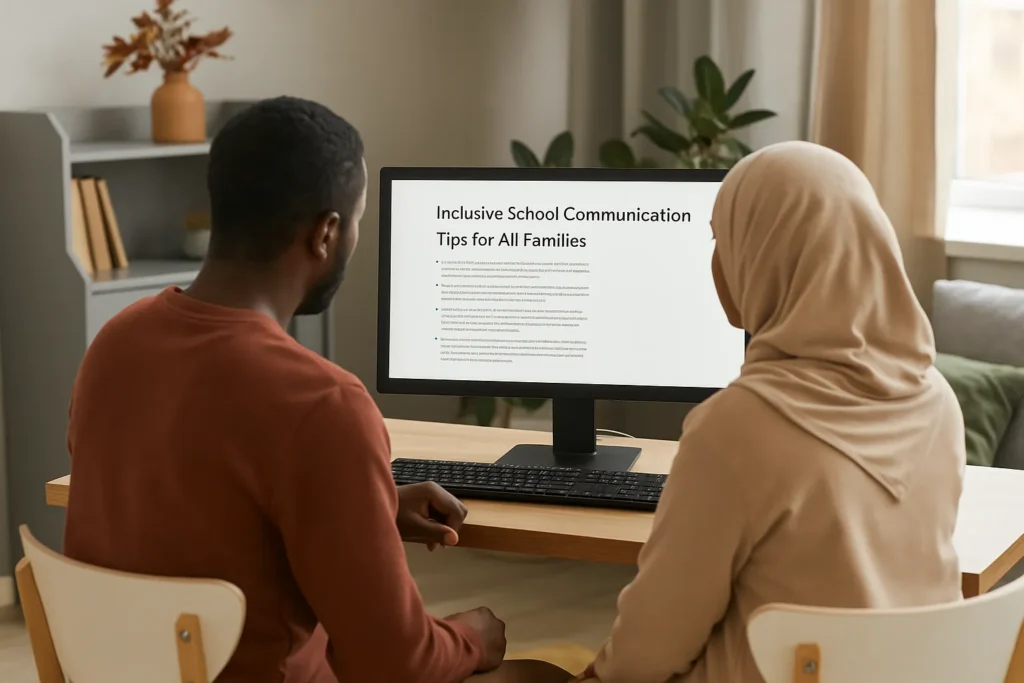
Inclusive School Communication Tips for All Families
We talk a lot about inclusion in classrooms, but are we being inclusive in how we communicate with families? Every family’s different, and things like tech access, language, or how they prefer to connect can vary a lot. Here’s how to make these choices thoughtfully.
Mix Up Your Communication Tools
Some families love apps like ClassDojo or Seesaw for quick updates and classroom photos. Others prefer a simple phone call or a note sent home in their child’s backpack. The important thing is to give families options and meet them on their terms.
Keep Language Simple and Clear
Even the most well-meaning messages can get lost if the language is too formal or filled with jargon. Families often appreciate plain language that feels friendly and easy to understand.
For example, instead of saying “Your child is struggling with literacy benchmarks,” you might say “Your child needs a little more help with reading skills right now.” It keeps everyone on the same page, no matter their background.
Be Culturally Aware and Respectful
Different families bring different experiences and expectations to your school community. Some families expect formal, structured interactions with clear protocols and respectful distance, while others prefer casual, frequent check-ins that feel more like neighborly conversations.
Taking the time to learn what works best for each family shows respect and helps build stronger connections.
Once you’ve got flexible, clear, and culturally aware communication in place, you’re ready to build stronger relationships with families and make sure no one feels left out.
And when those relationships are in place, even the tough conversations with parents become a whole lot easier. Let’s look at how to approach those moments with confidence and care.
How to Handle Difficult Parent Conversations Without the Stress
No teacher looks forward to uncomfortable conversations with parents, but they’re an important part of supporting a student’s success. How you handle talks about behaviour, academic struggles, or personal issues matters a lot.
Starting with Connection
Start every tough conversation by pointing out the child’s strengths and positive qualities. You’re not sugarcoating the problems, but showing that you see their child as a whole person. This tells the parents that you truly care, making them more likely to team up with you to find solutions.
Be Calm, Clear, and Specific
When it’s time to raise concerns, stay calm and focus on facts. For instance, instead of saying “your child is struggling,” try “I’ve noticed your child is having trouble staying focused during reading time.” Such clear, specific language keeps the conversation grounded and avoids misunderstandings.
Listen and Work Together
Listen actively to parents’ perspectives and insights about their child. Parents often have insights you might not see in the classroom. Once everyone has shared their thoughts, work together to agree on a plan of action. Keep it simple and realistic, so everyone feels confident moving forward.
Approaching tough conversations with empathy and a problem-solving mindset helps take the tension out.
But building that sense of partnership doesn’t stop with tricky talks. The next step is to keep families engaged beyond the classroom so they feel connected every step of the way.
Practical Ways to Involve Families Beyond the School Day
So, how do you stay connected with the families after the school day ends? It’s once again those small, everyday connections that keep them involved and invested in their child’s learning. Here are practical ideas to make that happen.
Welcome Families Into the Learning Space
A single invitation can open the door to stronger connections. You can do this by hosting student-led showcases where children explain their projects, or schedule short virtual tours for parents who cannot attend in person. If families see the classroom in action, it helps them understand your routines and expectations.
Share Student Voice and Progress
Parents love to hear their child’s perspective. You can record a short video of students explaining a science experiment or let them snap a photo of completed work with a comment bubble. Such positive updates will remind parents that growth is happening, even when grades are not the focus.
Equip Parents With Ready-to-Use Resources
Not every caregiver has time for lengthy activities, so offer bite-sized tools. You can email a two-minute phonics game, slip a QR code for a maths facts video into homework folders, or post a weekly “family challenge” like counting shop signs on the way to school. These easy-to-use resources make it more likely that families will keep the learning going at home.
Create Two-Way Channels for Feedback
You don’t want to be the only one taking initiative. The point is communication, which means giving families a chance to share what’s working, what’s not, and what they want more of. Try sending out a quick Google Form each term to ask how they prefer to stay in touch or what topics they’d like more information on. Then act on that feedback and let them know you listened.
Celebrate Community Milestones
Finally, consider hosting events. Shared experiences are one of the best ways to build a lasting sense of community and belonging. For schools, this means seasonal family gatherings, book swaps, or cultural days as simple ways to invite parents to share their talents, stories, and traditions.
All of these small interactions will add up over time. These ongoing connections build a support system that reaches beyond your classroom and helps the whole school feel more connected. In the end, it’ll make things better for your students and a little easier for everyone.
Maintain Strong Communication Throughout the School Year
Now that we’re at the end of this article, here’s an important reminder that building strong parent-teacher communication will take time and patience. But once you get there, you’ll find a newfound appreciation for your profession.
If you think about it, families who trust you and feel connected to your classroom often turn into your biggest supporters rather than sources of stress.
Seasoned teachers know that consistency beats perfection every time. You don’t need the perfect message. It could be quick texts, monthly newsletters or something in between. Just choose what fits your routine and keep it going.
Ready to give it a try? Start small, stay consistent, and prepare to be amazed at how these meaningful connections can make your teaching life richer and more rewarding than you ever imagined possible.
The habits you build during your first week of teaching can influence your classroom for the rest of the year. That’s why those first few days matter so much. If your students feel safe, respected, and supported from the start, they’ll be more likely to stay focused, follow your lead, and enjoy the learning process.
A positive learning environment starts with clear routines, calm responses, and steady follow-through. The way you greet students at the door or respond when the room gets noisy shows them what kind of space they’re in. Also, it shows what you expect and how they can expect to be treated in return.
In this guide, you’ll find simple ways to create that kind of space from day one. You’ll learn teaching strategies that work, fun activities that help students connect, and routines that make your class run smoothly.
Read on to learn how to make your first week clear, confident, and enjoyable.
What Are the 5 Teaching Strategies That Work Best?
The five best teaching strategies include direct instruction, inquiry-based learning, cooperative learning, differentiated instruction, and reflective teaching. These techniques help you explain clearly, keep students involved, and adjust your teaching to meet their needs.
Not sure where to start with your lesson plans? These are great tools to build trust, stay organized, and keep students engaged.
Direct instruction: Use this approach when you need to explain something clearly and step by step. Begin with a goal, model how to do the task, and check in along the way to see if students understand. It works well when time is short and you need everyone on the same page. Add a quick question or mini-activity to keep things active.
Inquiry-based learning: Instead of giving all the answers, let students ask questions and explore ideas first. This approach works especially well for science, open-ended writing, or class discussions. It also helps students think for themselves and feel proud of what they discover. You can still guide them with prompts or helpful tools as they work through it.
Cooperative learning: Students often do better when they work together. Small group tasks, pair work, or peer feedback keep things interactive. Make sure each student has a clear role so that everyone is involved. Rotate groups regularly to keep things fresh and help students build stronger class relationships.
Differentiated instruction: Students learn in different ways. Some need visual examples. Others do better with hands-on tasks or extra time. This strategy means giving students more than one way to learn the same thing. Offer choices when you can and adjust tasks to match different needs. It keeps everyone moving forward at their own pace.
Reflective teaching: After class, take a minute to think about what worked and what could’ve gone better. Ask yourself simple questions like whether your students understood the lesson or if the pace was right. Jotting down a few quick notes can make planning easier next time without needing a full rework.
These are strategies that come up again and again in trusted sources, including plenty of research backed by Google Scholar. They’re popular because they work in everyday classrooms.
Pro tip: Pick one strategy to try this week. See how your class responds. If it works, build on it. But if it doesn’t, tweak and try again. That’s how good teaching grows.
You’ve got some strong tools in your toolkit now. Next, we’ll look at how to turn these ideas into classroom activities that get your students involved right away.
Fruitful Engagement Activities in the Classroom
Classroom engagement makes the students feel involved, interested, and connected to the learning space. When students feel seen, they’re more likely to contribute and less likely to tune out. The right activities can change how your students show up, starting on day one.
Follow these engagement activities in your classroom:
Warm-ups: Try asking, “What’s one thing that made you smile this week?” Let students share out loud or in small groups. This helps break the ice, lowers tension, and gives you a small window into how your students are doing emotionally. Plus, it signals that their feelings matter.
Quick team challenges: Give each group a small stack of paper, tape, and string. Ask them to build the tallest freestanding tower in five minutes. This activity builds teamwork and gets students moving and talking. There’s no pressure to be right, just a chance to solve something together.
Creative self-expression: Have students write one word that describes themselves on a sticky note and place it on a wall. You might see words like “kind,” “resilient,” or “brave.” Over time, that wall becomes a visual reminder of who your students are and what they value in themselves.
Get them moving: Ask a fun question like, “Which snack wins? Popcorn? Fruit? Or chocolate?” Assign each answer to a different corner of the room and have students walk to their pick. This keeps things light and gives even shy students a way to participate without saying a word.
Even the U.S. Department of Education backs this up. When students feel like they belong and can take part in class activities, they’re more likely to show up and stay engaged.
One teacher we know used “corner voting” every morning during the first week. She noticed that her quieter students slowly started joining conversations. It helped her spot who needed encouragement and who could take the lead in group work.
Once you start seeing how students engage, you’ll also start to notice how they learn best. That’s exactly what we’ll explore next.
4 Ways of Learning Every Teacher Should Know
Every student learns in their own way. Some need to see it. Others need to hear, write, or move with it. Teaching with these differences in mind helps more students feel comfortable and succeed in class.
There are four main types of learners. You’ll likely have a mix of all of them in your room. Knowing what works best for each one makes it easier to adjust your lessons without needing a full overhaul.
Here’s how to work with each learning type in your classroom:
Visual learners
These students learn best when they can see how ideas connect. Use mind maps, timelines, or flowcharts to show relationships between concepts.
Hang anchor charts around the room and use colors to group similar ideas. Even drawing a quick sketch on the board while you talk helps them focus and remember more.
Auditory learners
Have you ever noticed a student who remembers everything from a class discussion but forgets what’s on the worksheet? That’s an auditory learner.
Let them talk it out in pairs, explain concepts aloud, or record voice notes. Songs, rhymes, and simple repetition also help. You can even invite them to teach the class, which boosts their confidence and locks in learning.
Reading/Writing learners
Some students don’t speak up, but their notebooks are gold. Give them clear instructions, textbook examples, and chances to reflect in journals.
Let them rewrite what they learned in their own words. These learners work well with quiet time and appreciate structure during lessons.
Kinesthetic learners
These learners like to move. They understand best when they’re doing something with their hands or bodies. Use tools like flashcards, puzzles, or small objects they can sort or build with. Create lessons that let them move between stations or act things out. Even letting them stand up during a task can help them focus better.
We suggest rotating your teaching methods weekly so each learning style gets attention. That way, more students feel like your lessons are built for them, and they stay more engaged.
When your classroom supports these different learning types, students feel seen and valued. And that leads straight into building a more positive space every day.
How to Create a Positive Classroom Environment That Lasts
A positive learning environment starts with respect, trust, and small routines that make students feel safe. You don’t have to be the fun teacher or turn every lesson into a show. What matters most is that students know they’re welcome, supported, and treated fairly. When that’s in place, everything else (like focus, behavior, and even grades) starts to improve.
Here are some creative ways to start building a positive classroom environment:
Greet every student, every day: Saying “Good morning” or “I’m happy to see you” might feel like a small thing, but it shows students that they’re important. It sets the tone for a calmer, more connected classroom. Even a quick smile as they walk in can help students feel more at ease.
Set norms that model respect: Instead of a long list of rules, talk with your students about how the classroom should feel. Use phrases like “In this class, we listen to each other” or “We help one another.” Invite them to help make these norms.
Celebrate small wins: When you notice a student doing something positive, say it out loud. It could be a quiet thank you, a kind sticky note, or a quick class shout-out. You can also start a “Friday Wins” list and let students nominate classmates who helped out or tried hard. It turns the spotlight toward effort and kindness.
Be consistent with routines: Routines help students feel more in control. When they know what to expect, they’re less anxious and more ready to learn. So, keep your schedule visible and try not to change things at the last minute. A stable routine makes your room feel safe, especially for students who need extra structure.
One middle school teacher we know used a “Today’s High Five” board. Every day, he chose five students who had shown effort or kindness. Within two weeks, his class energy changed, and students were cheering each other on.
Now that the space feels right, let’s look at how to handle behavior in a way that’s calm, clear, and easy to manage.
Classroom Management Strategies for a Smooth Start
Classroom management is how you set up your class so that learning can happen without constant interruptions. It’s not just about keeping order. It’s about putting systems in place that help your students know what to do, when to do it, and how to stay on track.
Let’s start with expectations. Instead of handing out a rule sheet, have a short class conversation. Ask how they want the room to feel. Say things like “In this class, we speak kindly” or “We help each other out.” When students help shape the ground rules, they’re more likely to stick with them.
That sets the tone, but the routines hold everything together. Make sure students know what to expect each day. What should they do when they walk in? Where do assignments go? Post the daily schedule where it’s easy to see. A clear plan helps students stay focused without having to ask, “What now?” every few minutes.
Now let’s talk about what happens when someone goes off track. Instead of stopping everything to correct them, try a calm, quiet approach. A gentle redirection or a quick check-in works better than calling someone out in front of the class. It keeps things moving and protects the student’s dignity.
You can also guide behavior by pointing out what’s going well. For example, say, “I see Emily is ready with her materials,” or “Malik’s group is already on task.” This kind of positive narration shows the class what’s expected without turning it into a warning.
To help things run even more smoothly, lock in your core routines early. Here are some worth setting up in week one:
Entry and exit routines
Morning warm-ups
Attention-getting signals
How to handle materials and handouts
Transition steps between activities
And don’t forget about your layout. Leave space to walk between desks. Just moving closer to a chatty group can help quiet things down. One teacher told us her silent “walk-by” worked better than most verbal warnings. Turns out, just being nearby is enough to help students stay on track.
Stay Consistent in Building a Positive Learning Space
You already have what you need to create a classroom where students feel encouraged, supported, and ready to grow. With clear routines, thoughtful planning, and flexible teaching strategies, you’re helping your students succeed one day at a time.
These ideas work well in the first week of school, but they are just as useful later on. If your classroom starts to feel overwhelming, coming back to these basics can help you reset. With the right habits in place, your space can feel calm, organized, and welcoming.
If you’re looking for more ideas, ready-to-use tools, or extra support, visit ontheculture.com. We’re here to help you build a learning space that supports your students and works for you.
Now’s a great time to take what you’ve learned and put it into action. Keep things simple, stay consistent, and trust that the little things you do each day do matter.